top of page
Search
All Posts


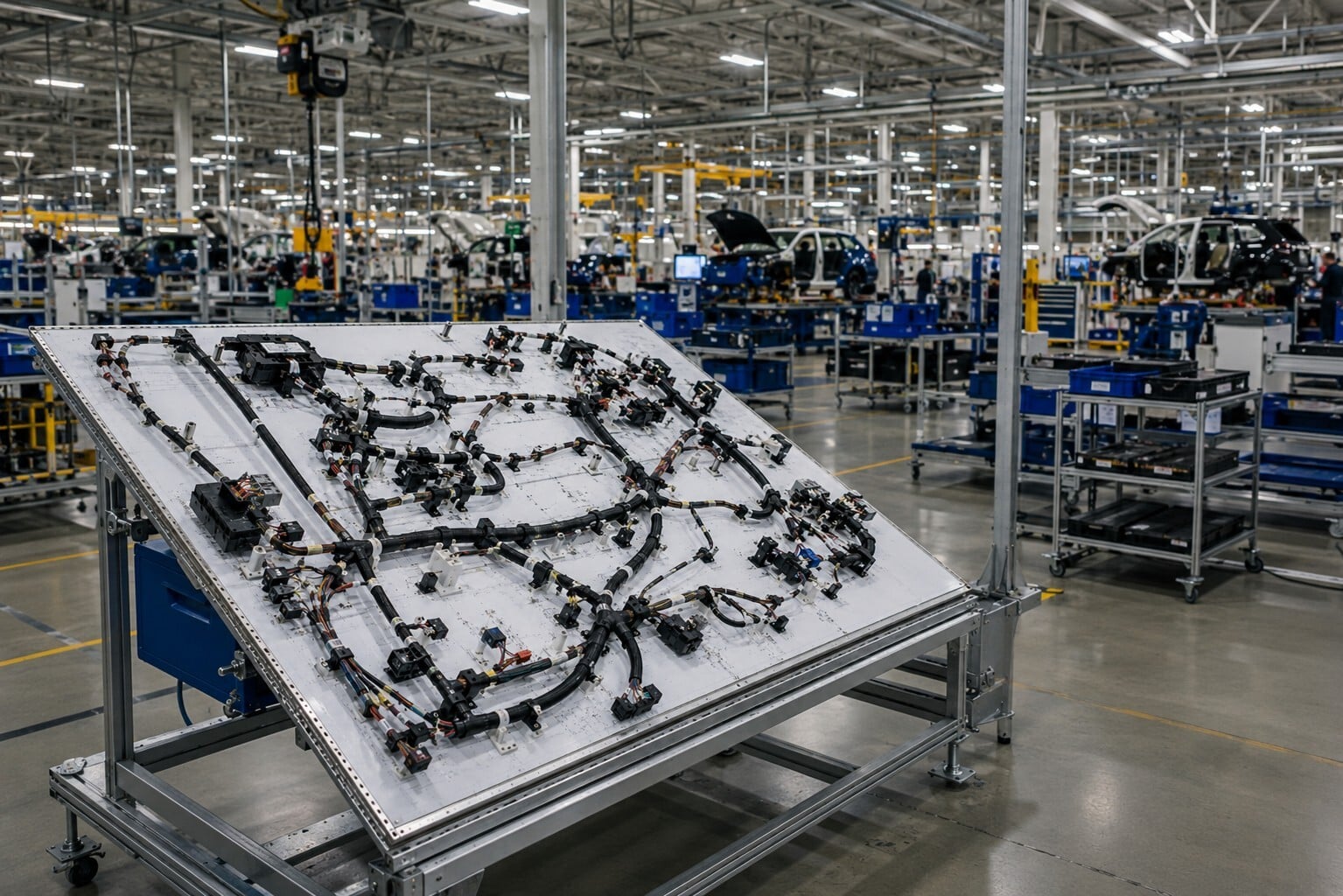
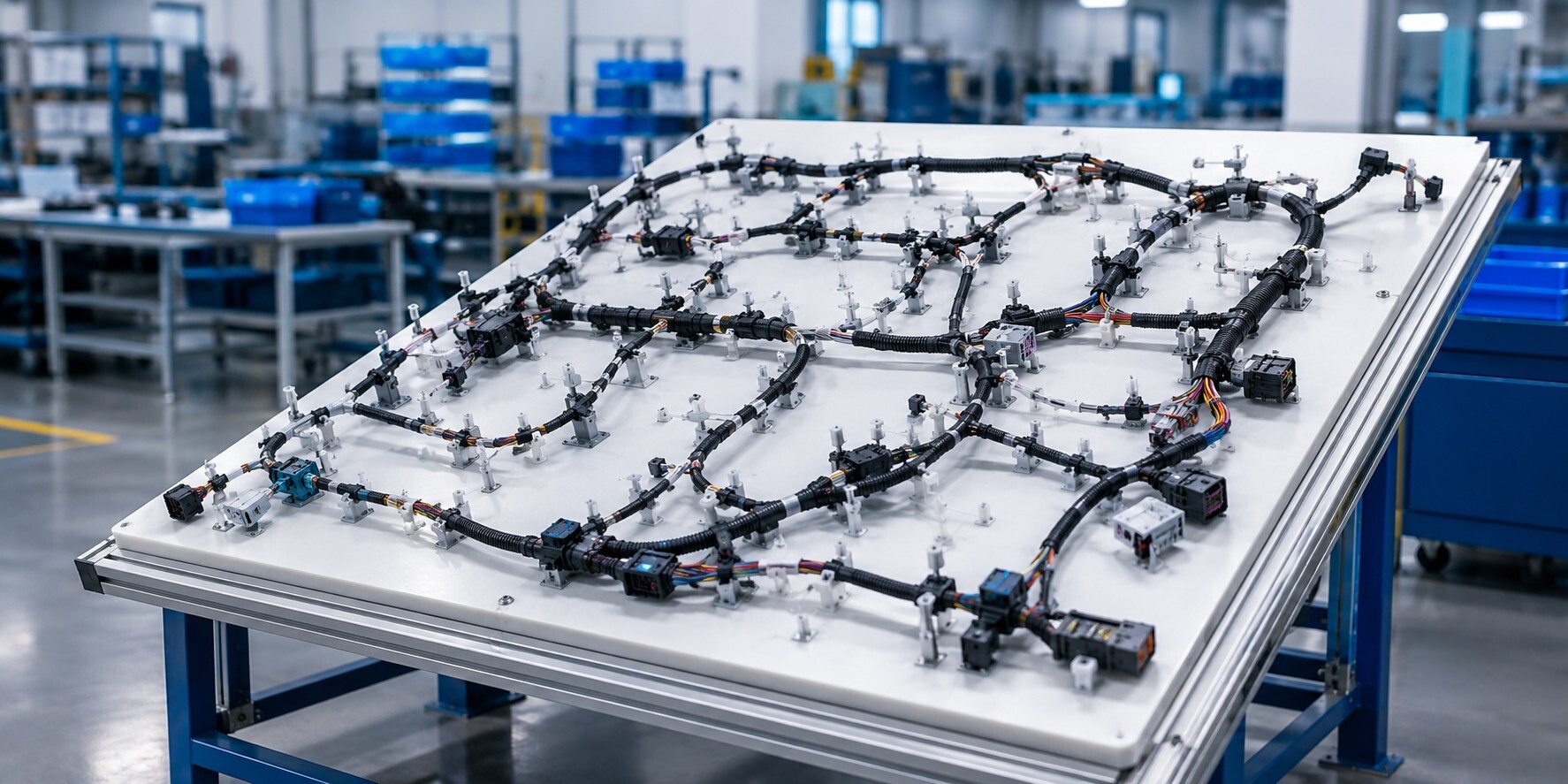
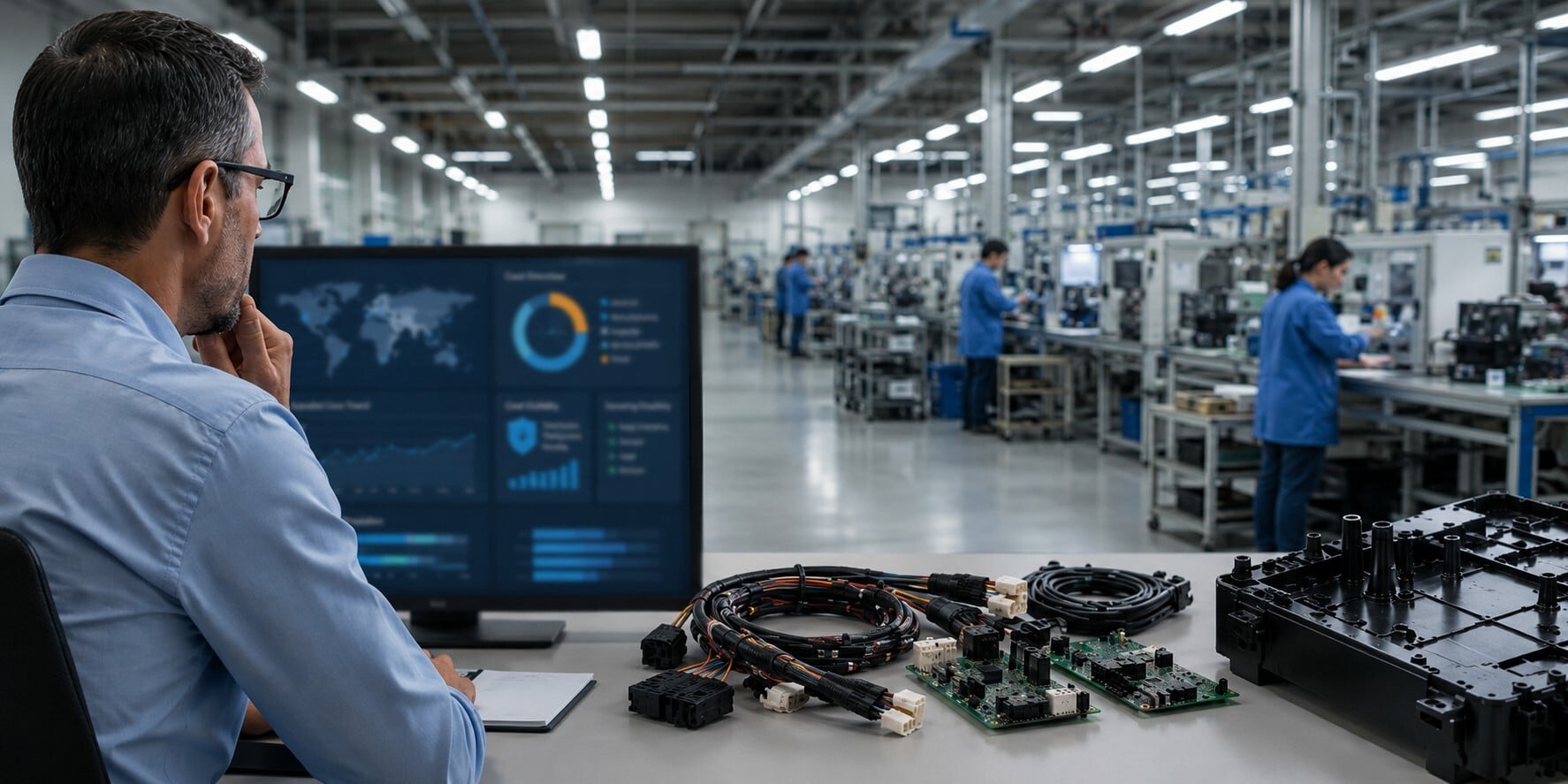
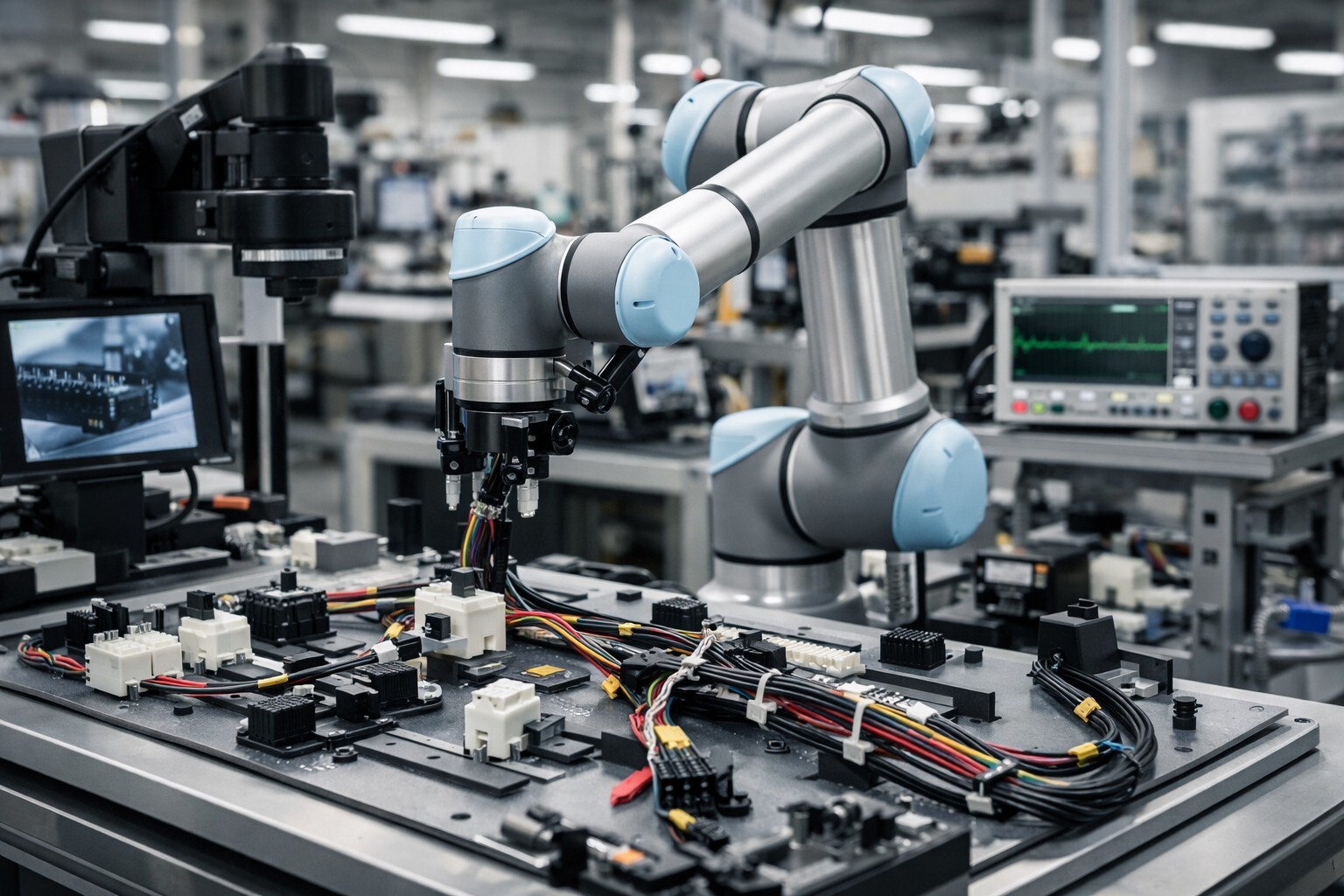
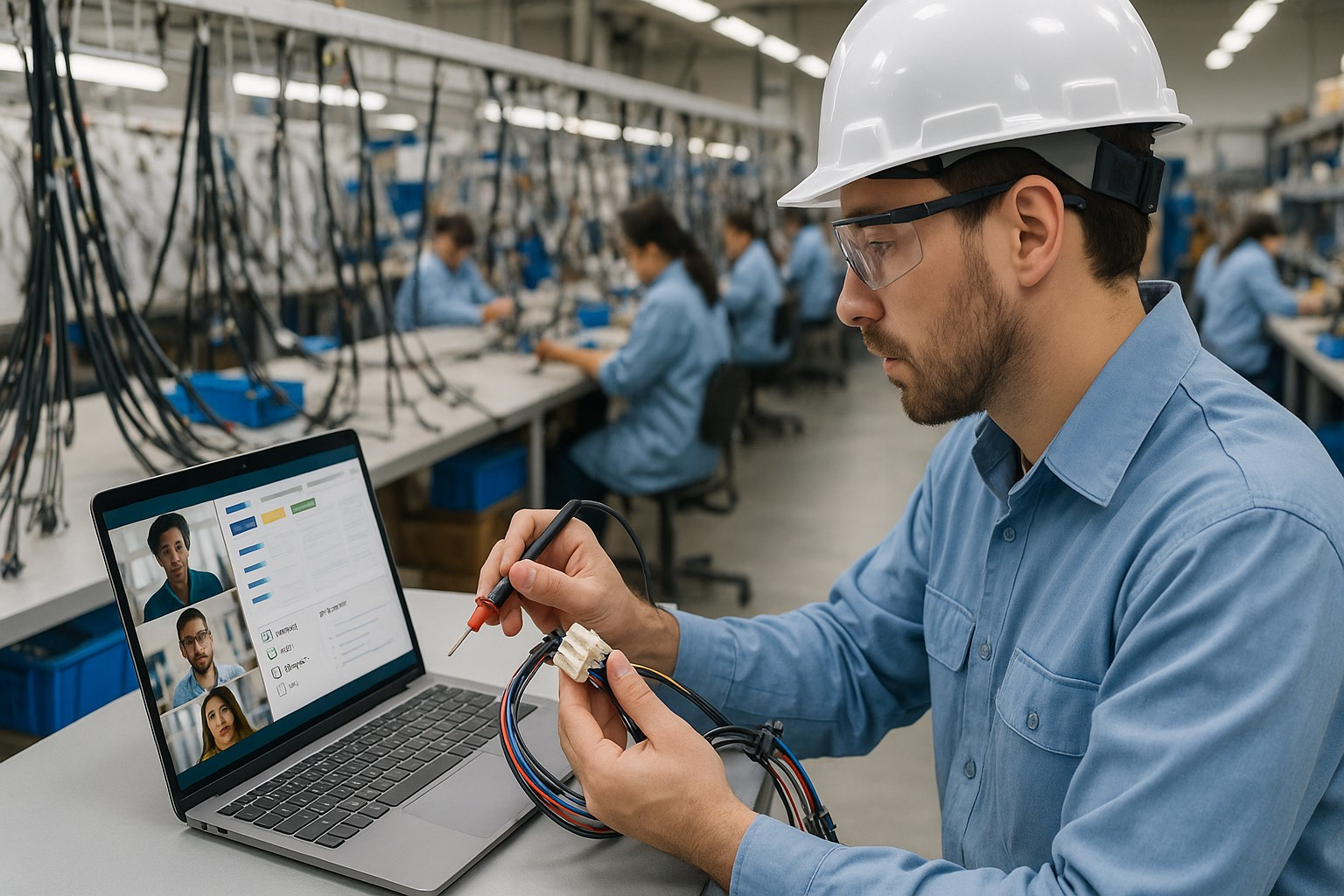
How Robotics and Vision Systems Are Transforming Cable & Wire Harness Manufacturing
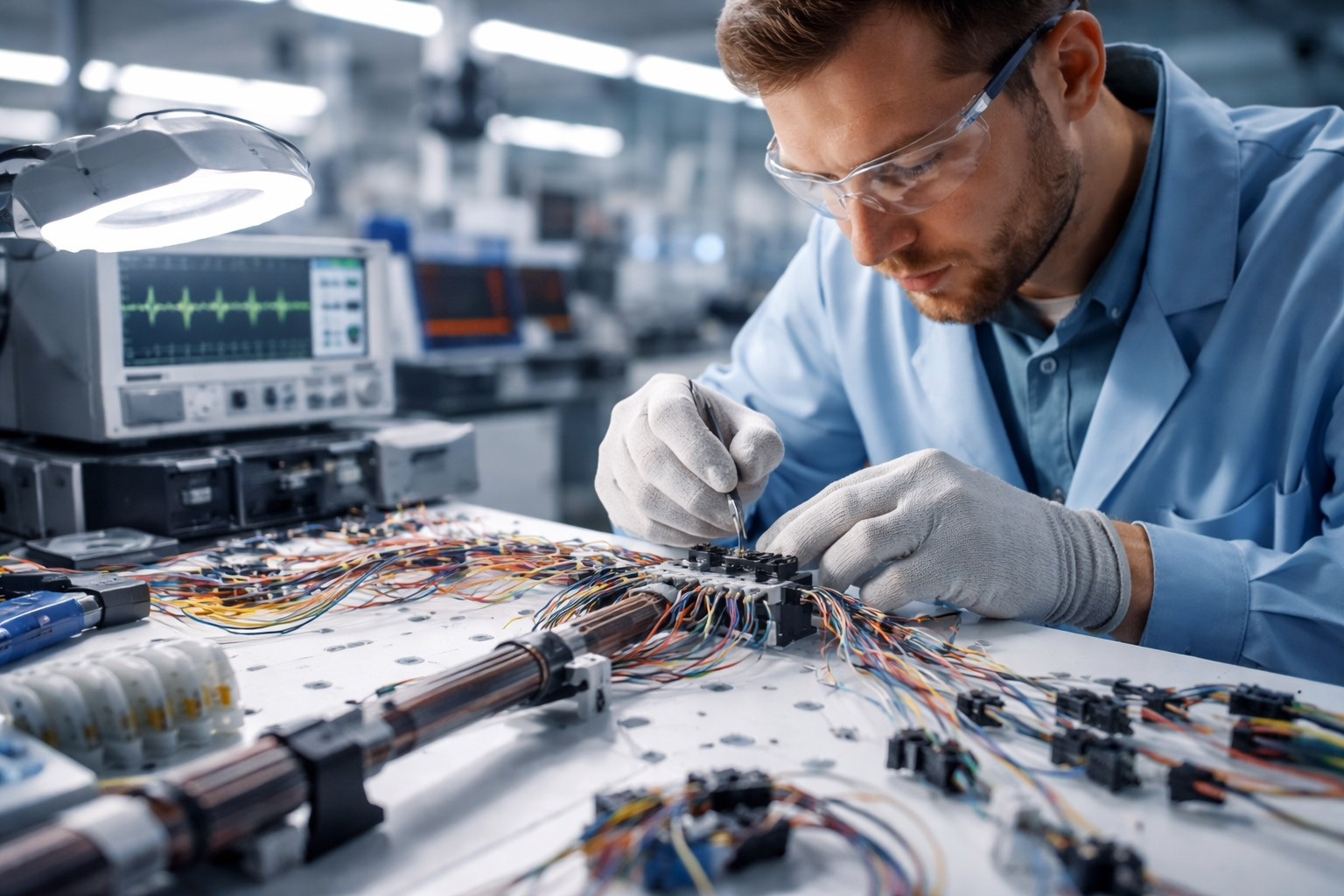
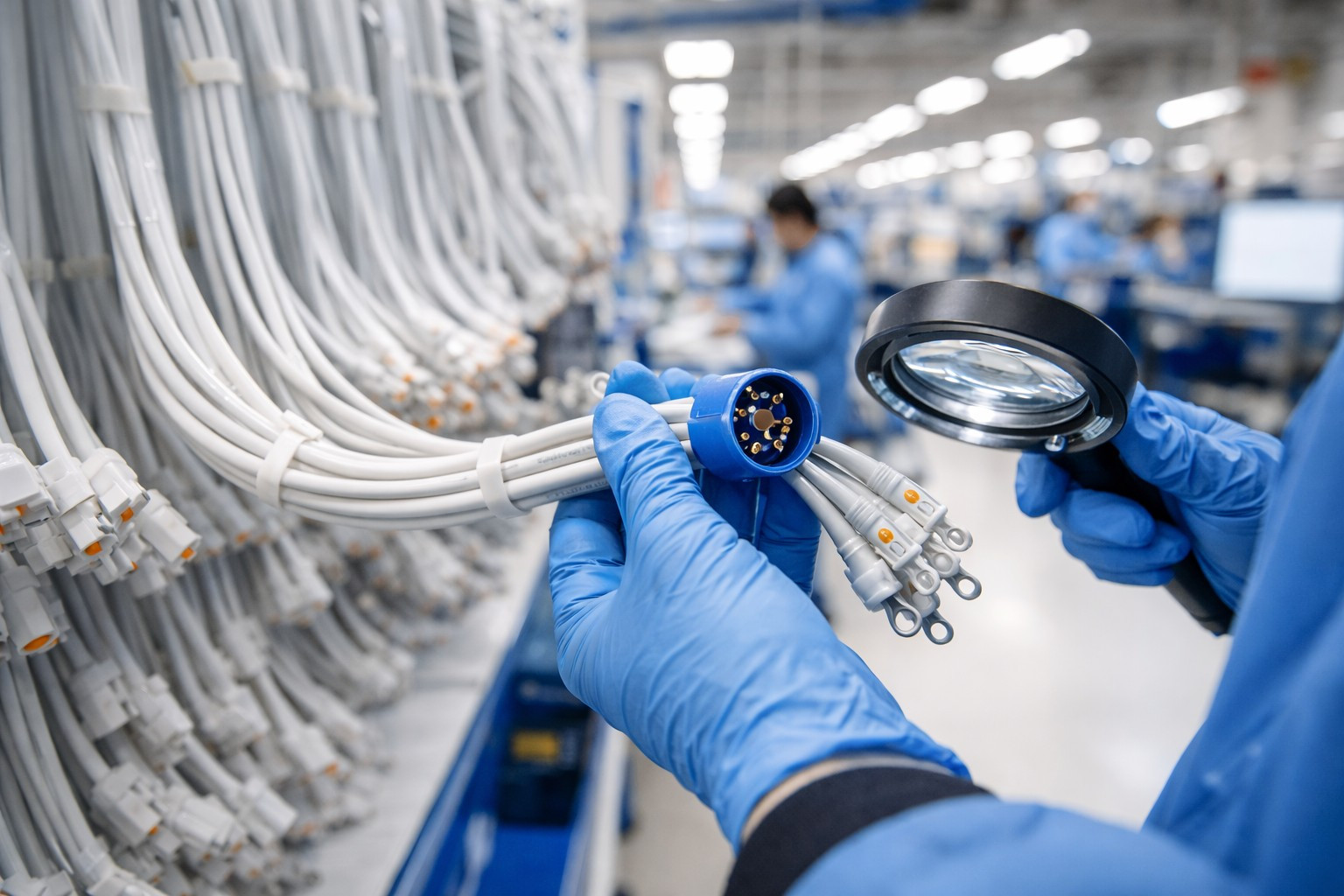
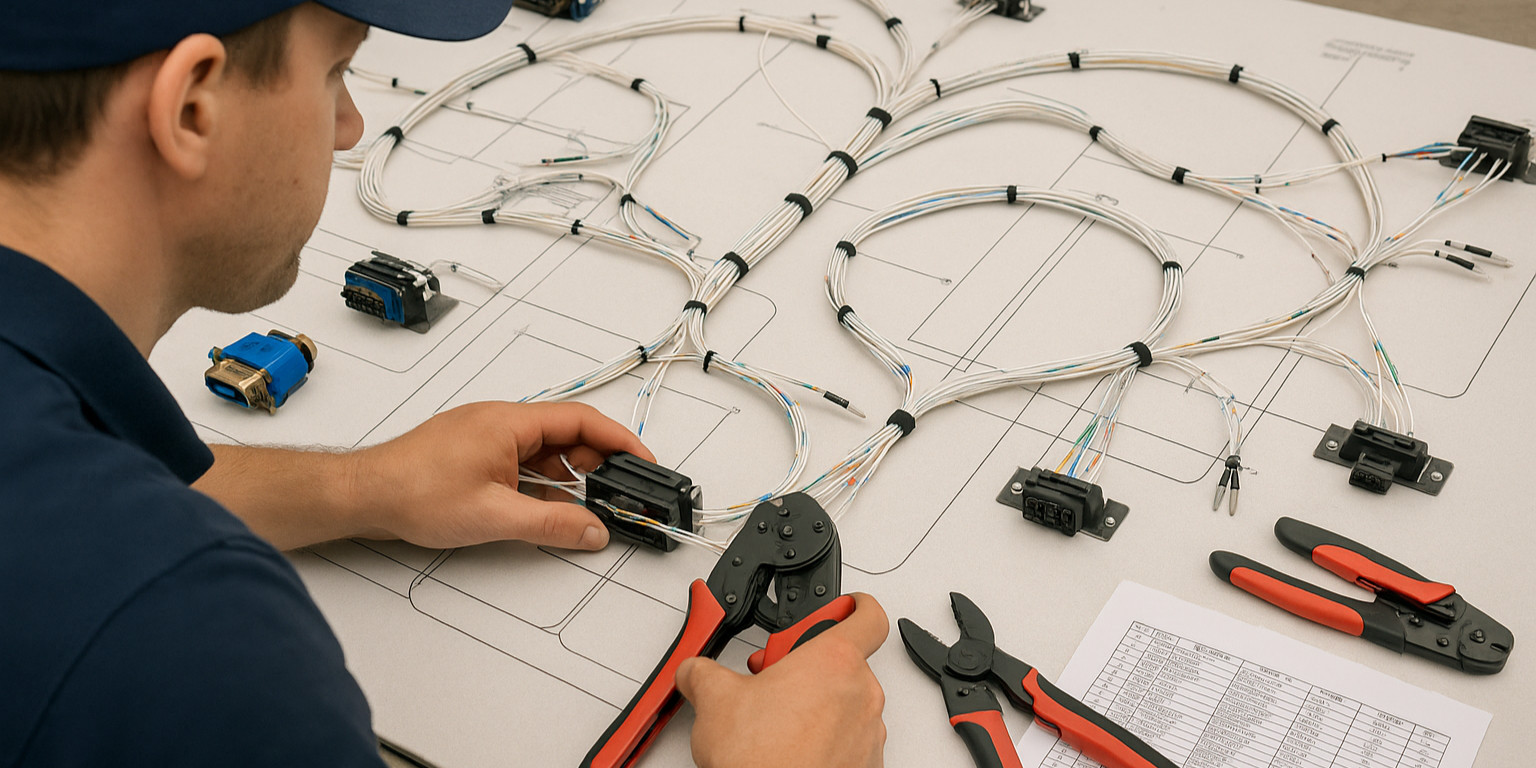
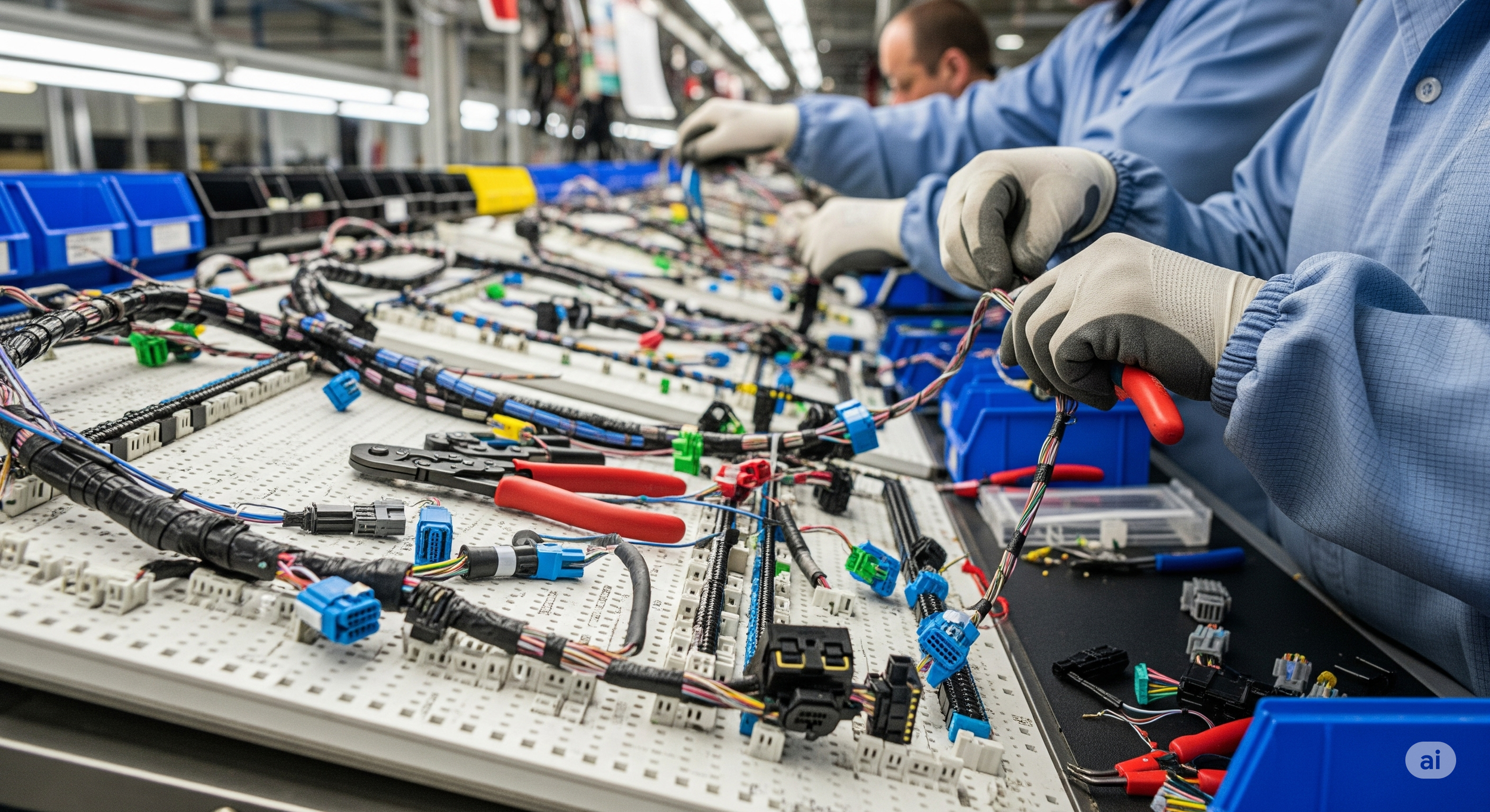
Cable and wire harness manufacturing has traditionally relied on skilled manual assembly due to product variability, routing complexity, and connector diversity. However, rising quality expectations, labor constraints, and increasingly sophisticated electronic systems are accelerating the adoption of robotics, machine vision, and digitally integrated automation. This shift is not about replacing human expertise. It’s about enhancing precision, improving repeatability, and bui
Jeff Bowman
26 minutes ago4 min read

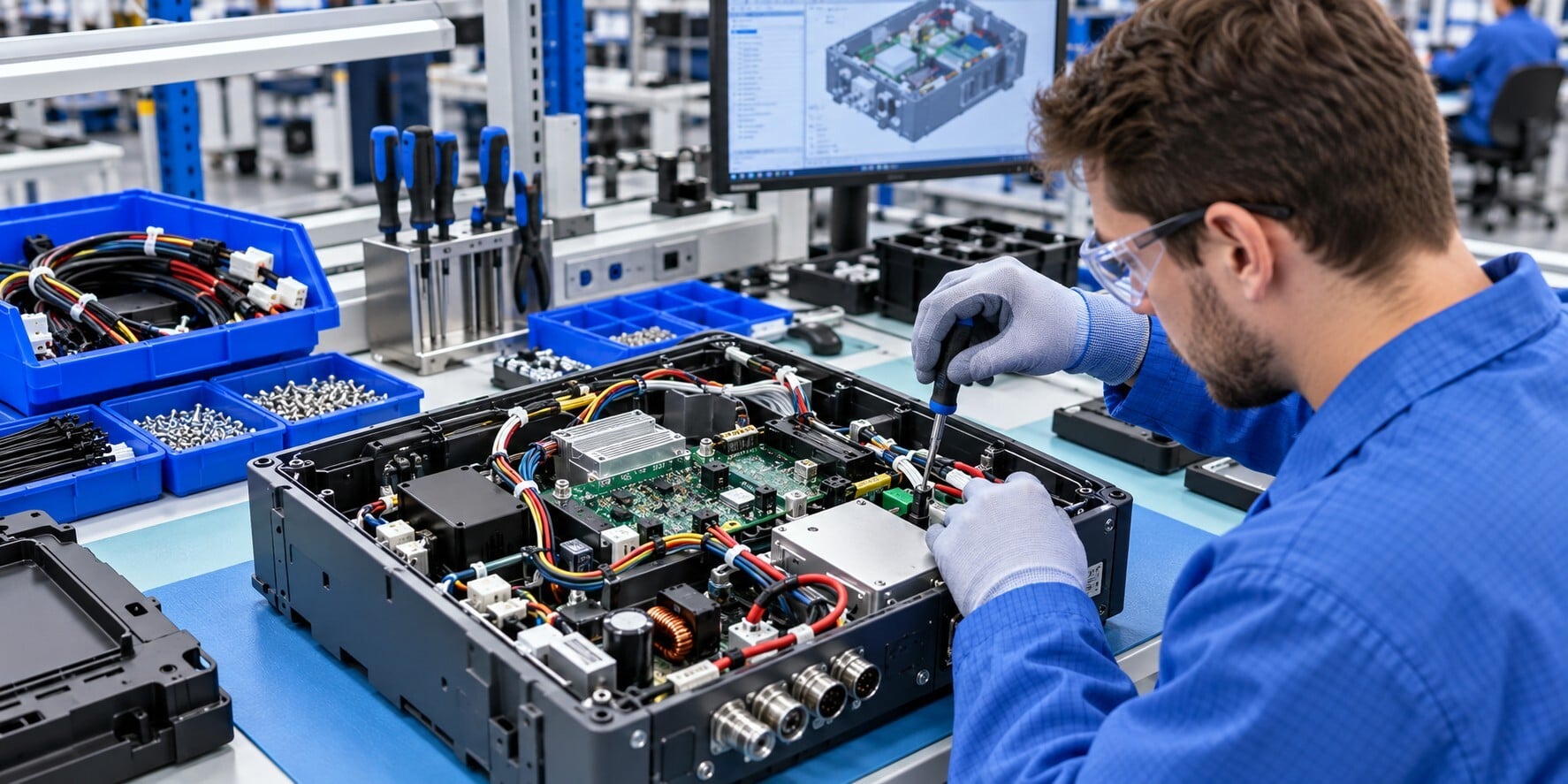
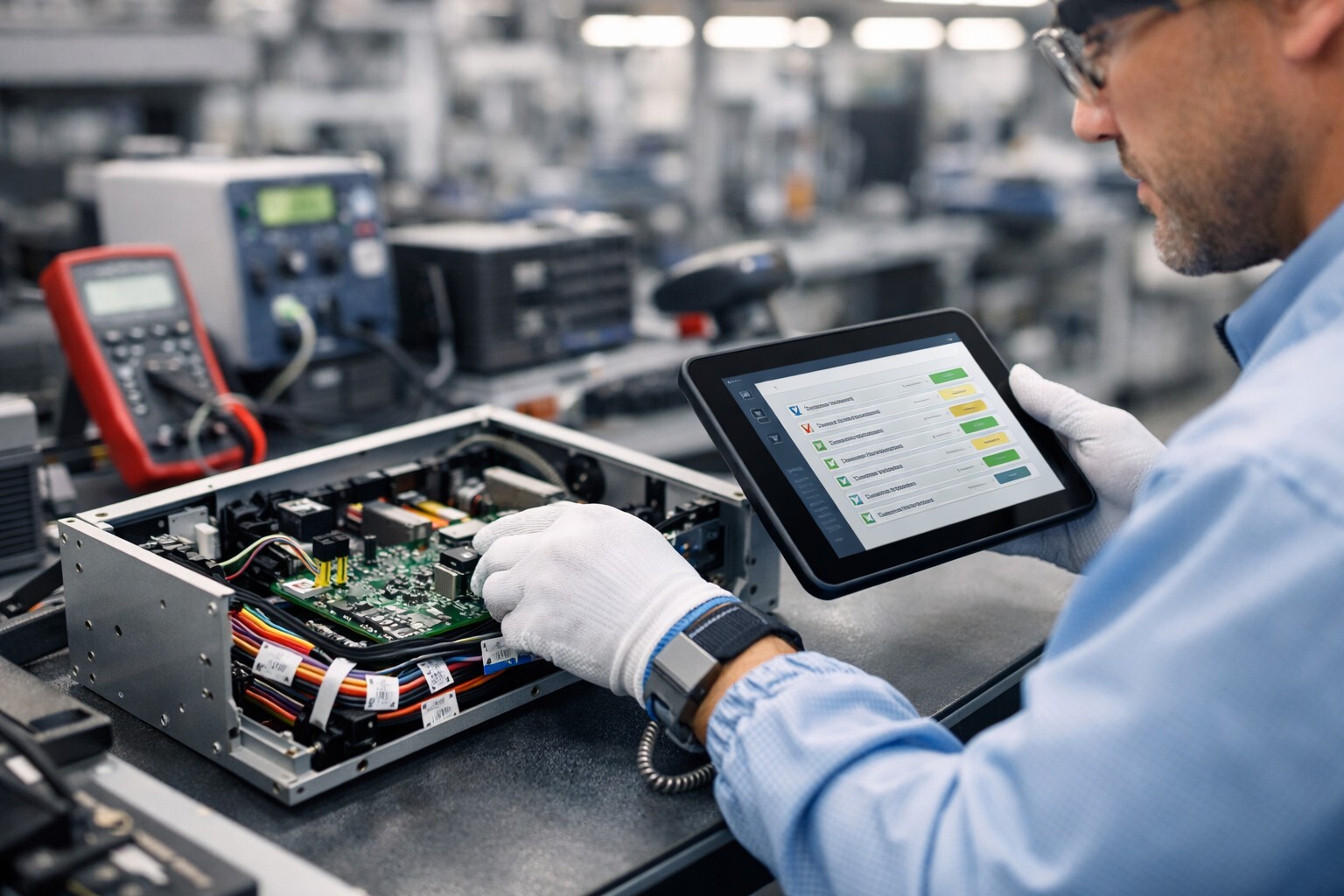
The Importance of Daily Inspections in Electronics & Medical Device Manufacturing
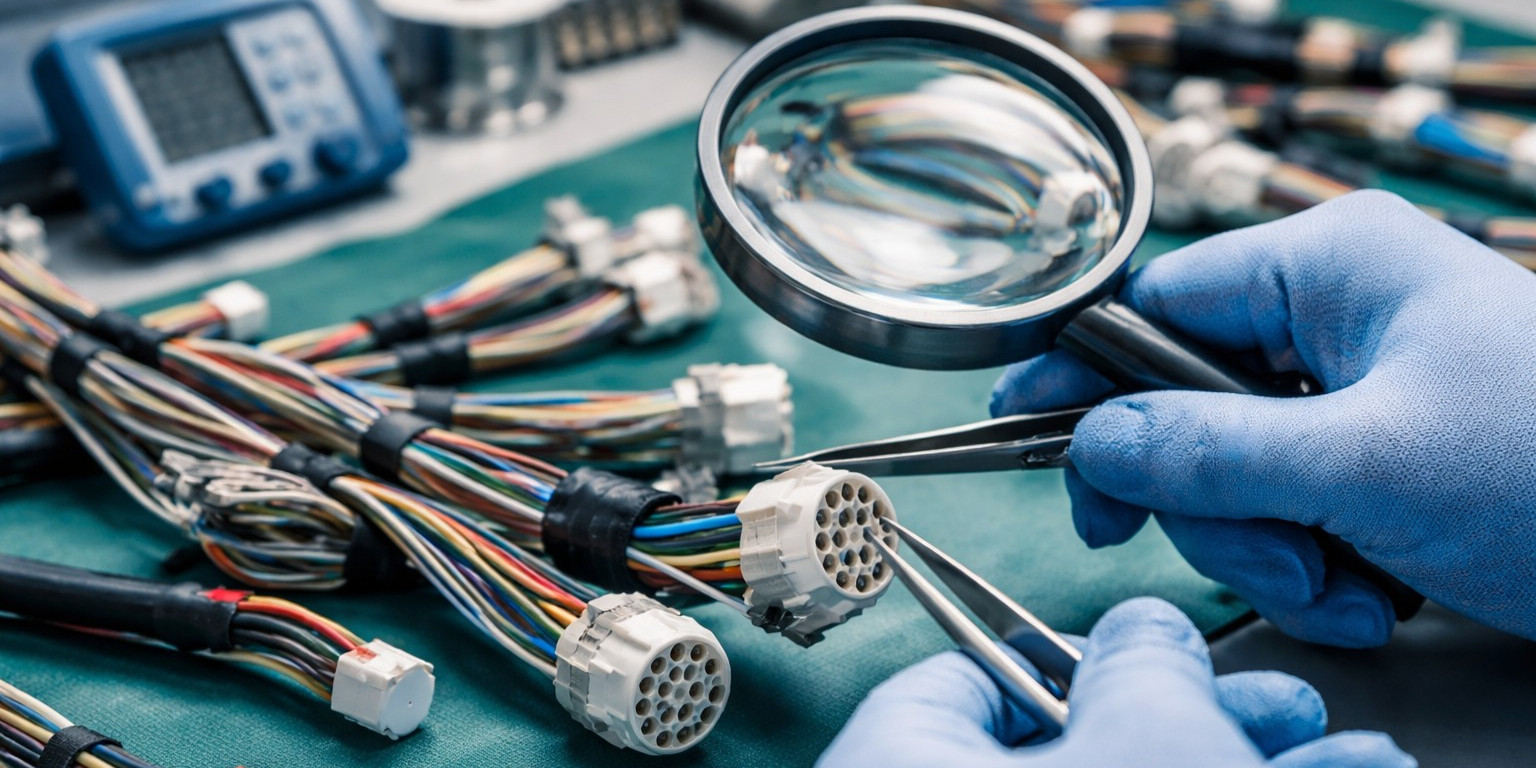
In regulated manufacturing environments, daily inspections are a frontline defense against quality failures, compliance gaps, and costly downtime. At Sanbor Manufacturing, daily inspection programs are a core pillar of production safety, quality assurance, and operational continuity across cable assembly, wire harness, PCB assembly, and box build operations.
Daily inspections help manufacturers identify risks early, prevent non-conformances, and maintain consistent output.
Sean Campbell
Feb 43 min read


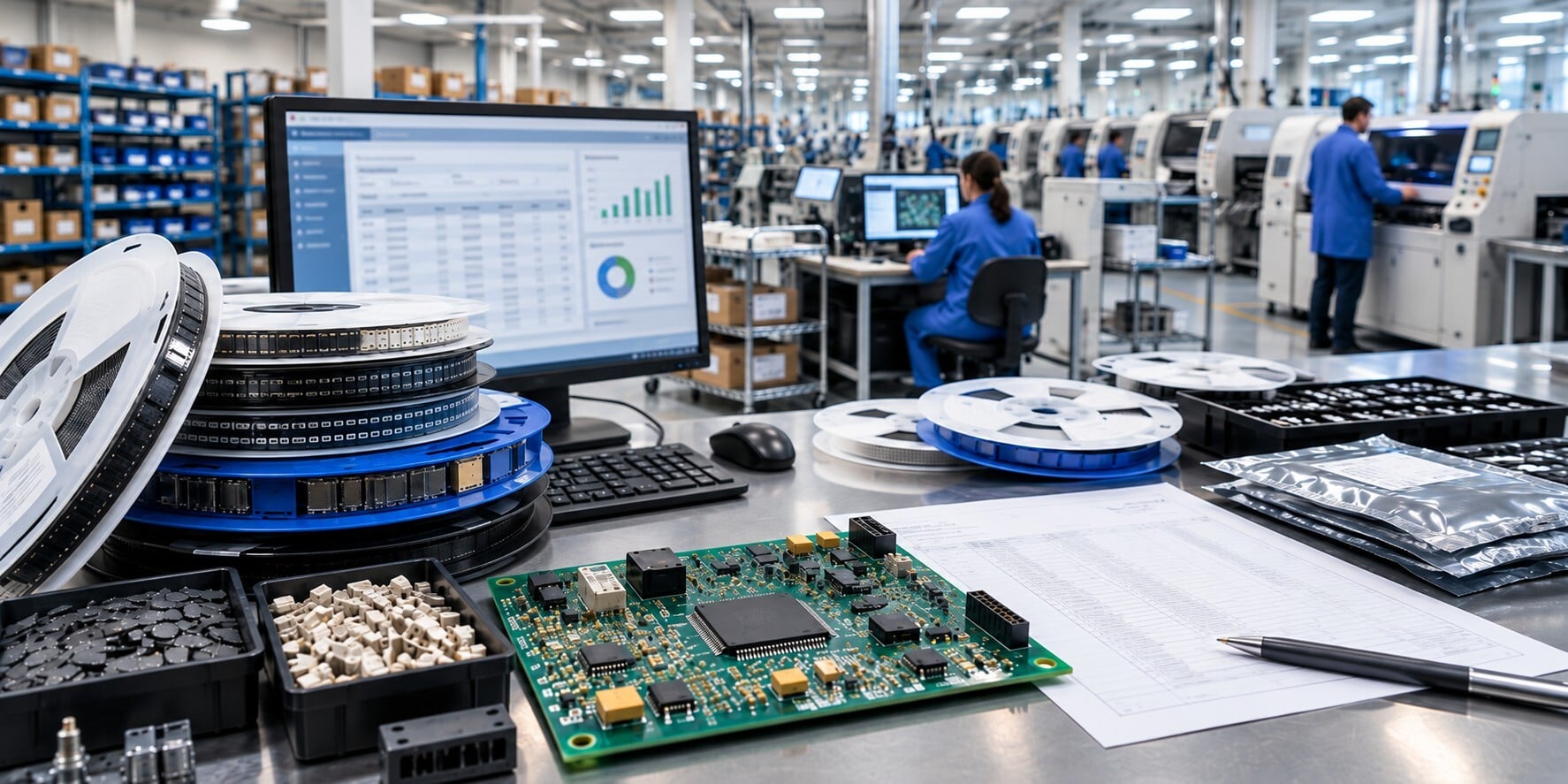
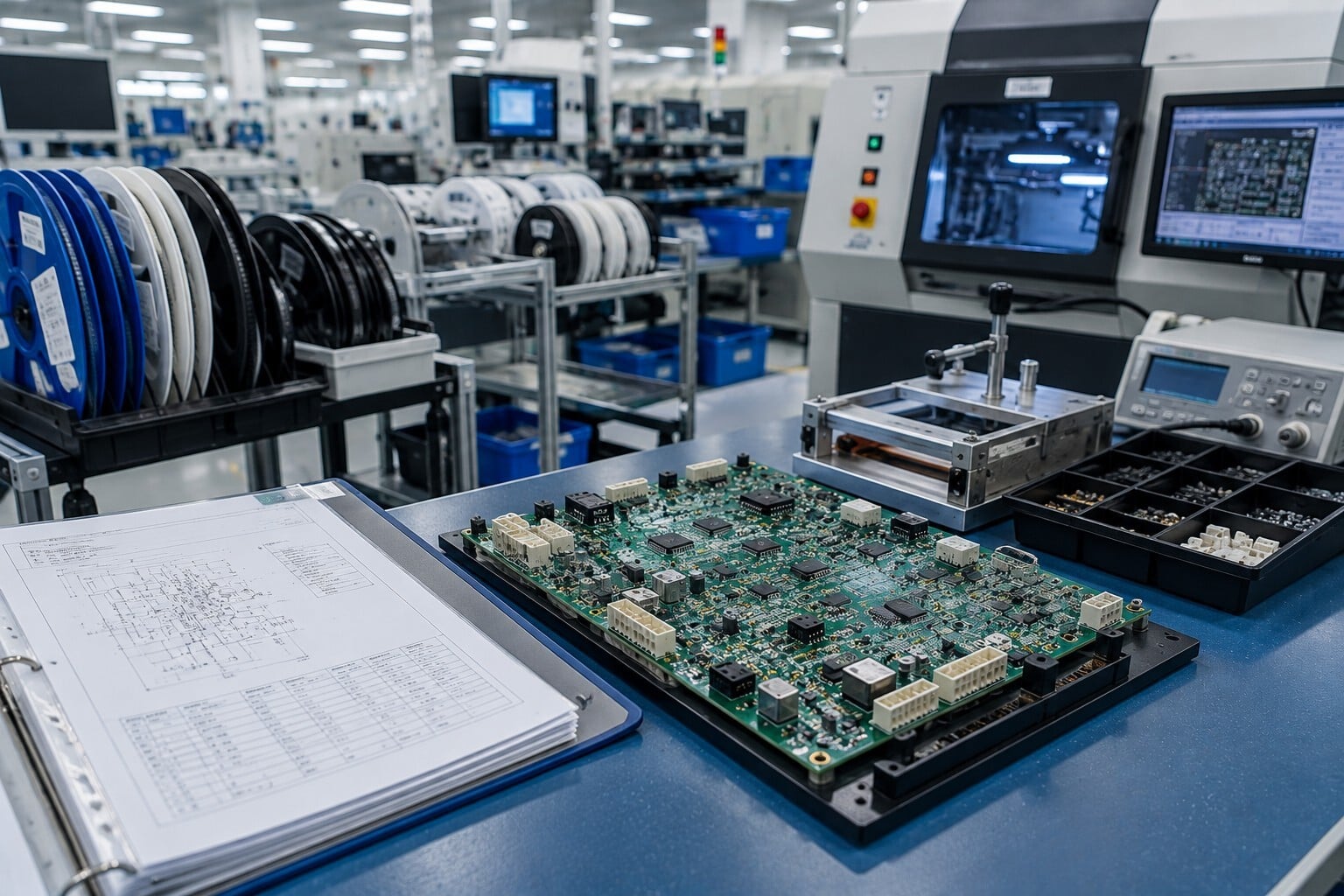
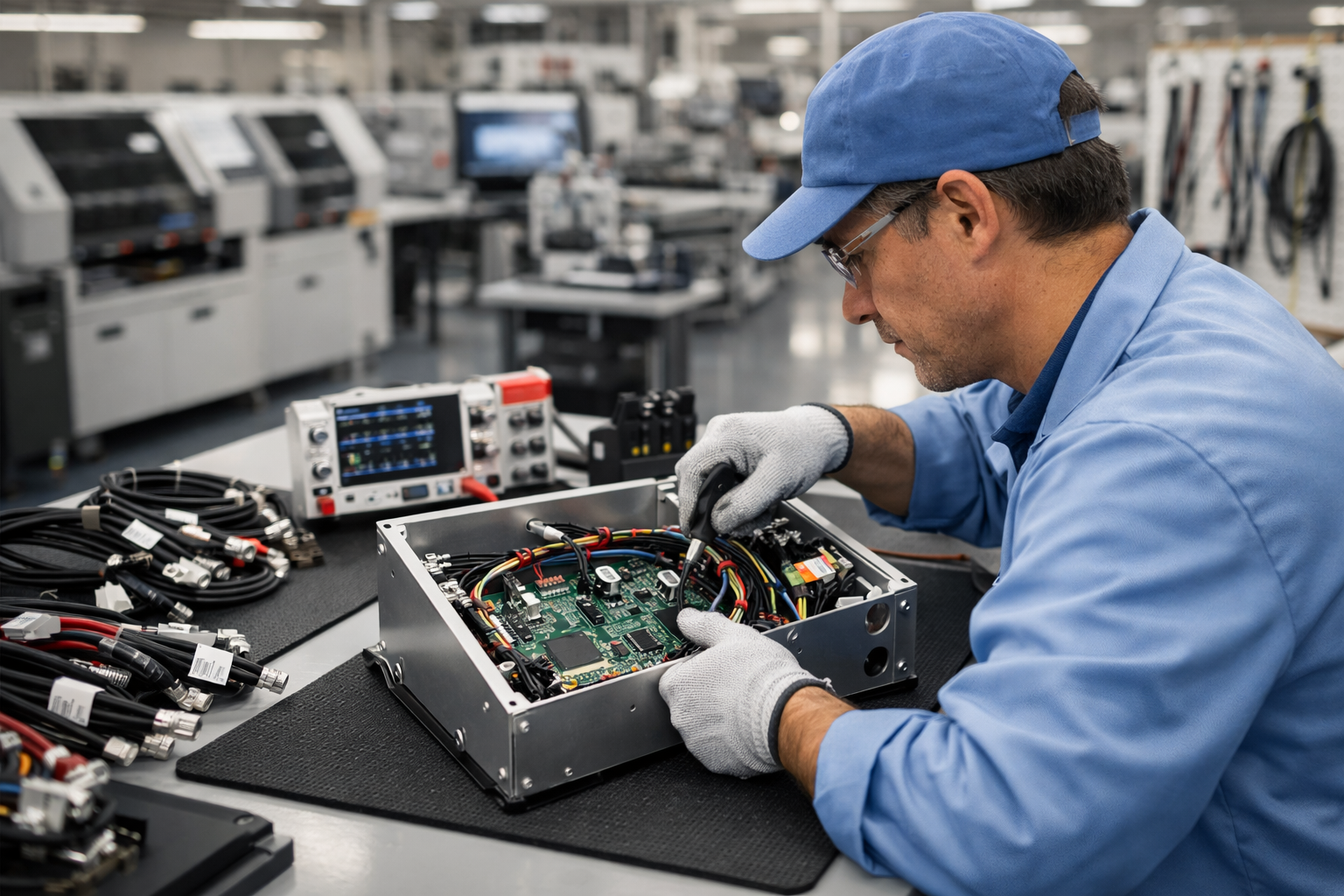
Supplier Consolidation for Electronics Manufacturing: Why Bundling PCBA, Cable & Wire Harnesses Makes Sense
In today’s complex manufacturing environment, OEMs face increasing pressure to reduce costs, shorten lead times, and mitigate supply-chain risk while maintaining strict quality and compliance standards. Managing multiple suppliers for printed circuit board assemblies (PCBA), cable assemblies, and wire harnesses often introduces unnecessary complexity, handoffs, and inefficiencies.
Supplier consolidation has become a strategic lever for OEMs.
Sean Campbell
Jan 234 min read


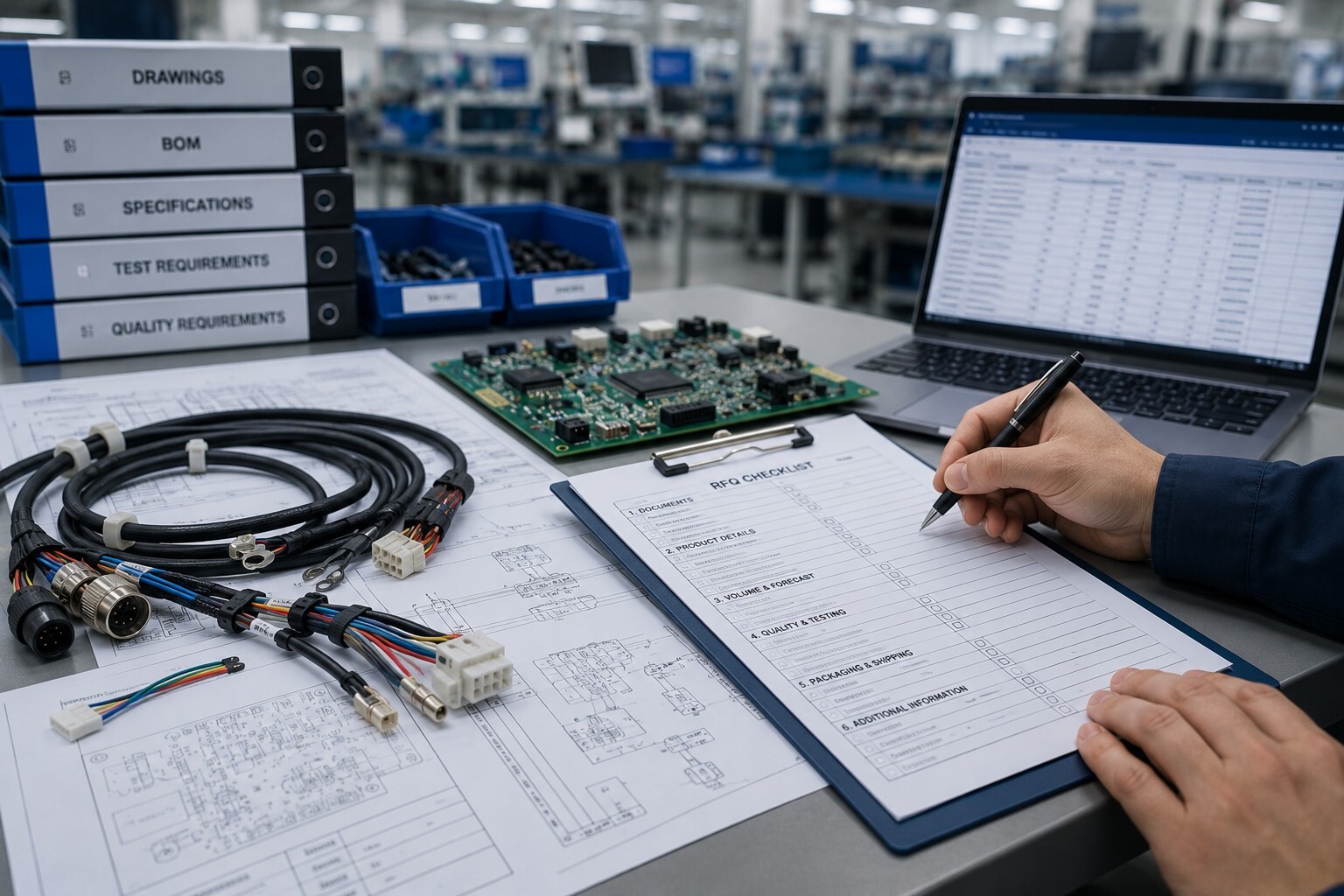
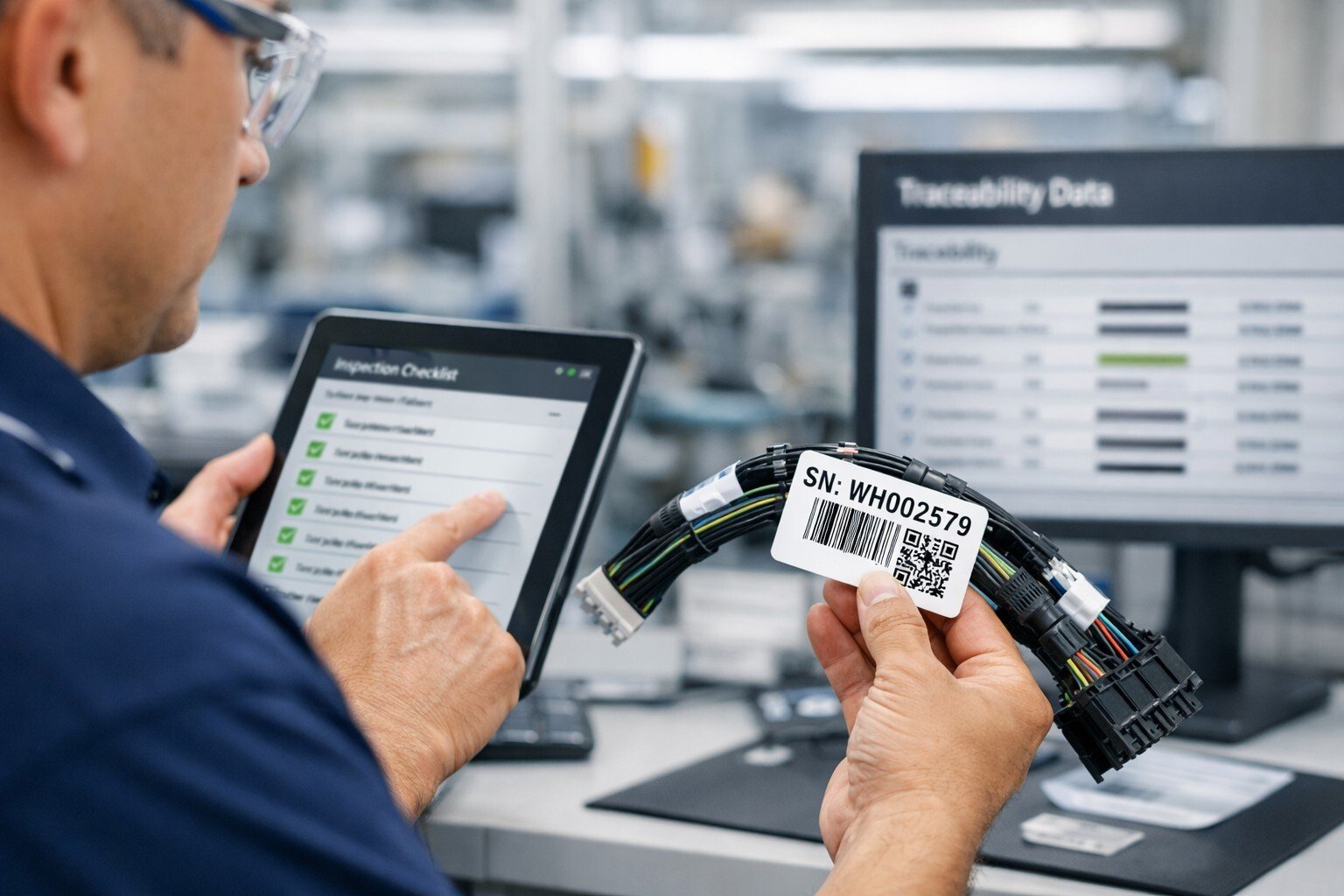
Top 10 Questions to Ask Your Manufacturing Partner About Traceability and Documentation
As OEM products become more complex—and supply chains more distributed—traceability and documentation have moved from “quality department concerns” to core business requirements. For purchasing, supply chain, and operations teams, the ability to trace materials, processes, and test results across cable assemblies, wire harnesses, PCBAs, molded components, and box builds is critical to managing risk, ensuring consistency, and scaling production with confidence.
Jeff Bowman
Jan 215 min read


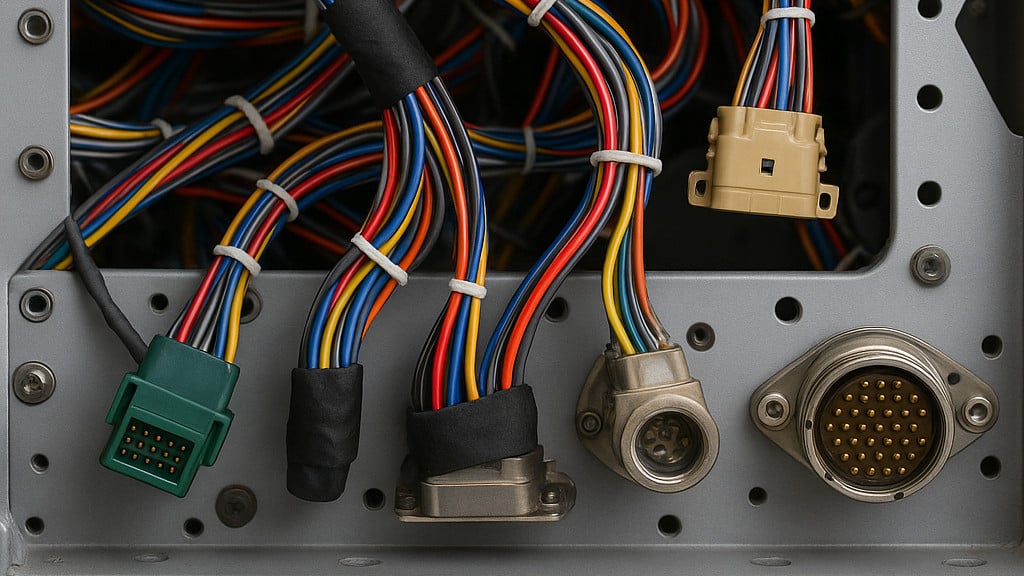
Designing High-Density Wire Harnesses for Next-Generation Electronics and Compact Enclosures
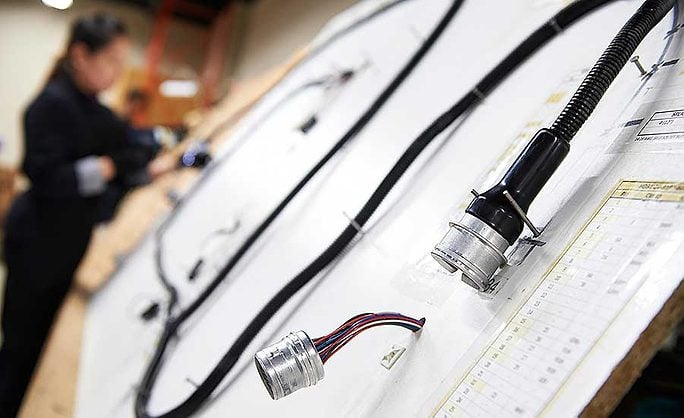
Designing high-density harnesses is no longer an edge case reserved for aerospace or defense. It is now a standard requirement across industrial automation, medical devices, automotive electronics, and advanced computing platforms. Success depends on thoughtful engineering decisions made early, before routing constraints, EMI issues, or assembly limitations become costly problems.
Jeff Bowman
Jan 154 min read

Scaling Cable Assemblies from Prototype to Volume Production Without Quality Drift
Scaling cable assemblies from prototype to volume production introduces new challenges in consistency, documentation, materials, cost control, and manufacturability. Without the right processes, OEMs often experience quality drift which are subtle variations that accumulate into performance issues, field failures, or certification setbacks.
This guide explains how to prevent quality drift and achieve repeatable, stable cable production across global sites.
Sean Campbell
Jan 92 min read

Understanding IPC/WHMA-A-620: The Key to Quality Cable Assemblies
IPC/WHMA-A-620 is the globally recognized standard for cable assembly and wire harness workmanship. Most OEMs require their contract manufacturers to be certified but far fewer take the time to understand what the standard actually governs or how it should be applied in day-to-day production.
That gap matters. Certification alone does not guarantee consistent quality, reliability, or long-term performance.
Jeff Bowman
Dec 18, 20253 min read


How Early CM Involvement Lowers Total Cost of Ownership in Cable & Wire Harness Manufacturing
Many OEMs wait to engage their cable assembly contract manufacturer until the last possible moment — often after drawings are finalized and components are already specified. Unfortunately, this approach leads to avoidable delays, cost overruns, and engineering change orders (ECOs). Bringing your CM into the process early can reduce total product cost, accelerate lead times, and prevent downstream production issues.
Sean Campbell
Dec 10, 20252 min read


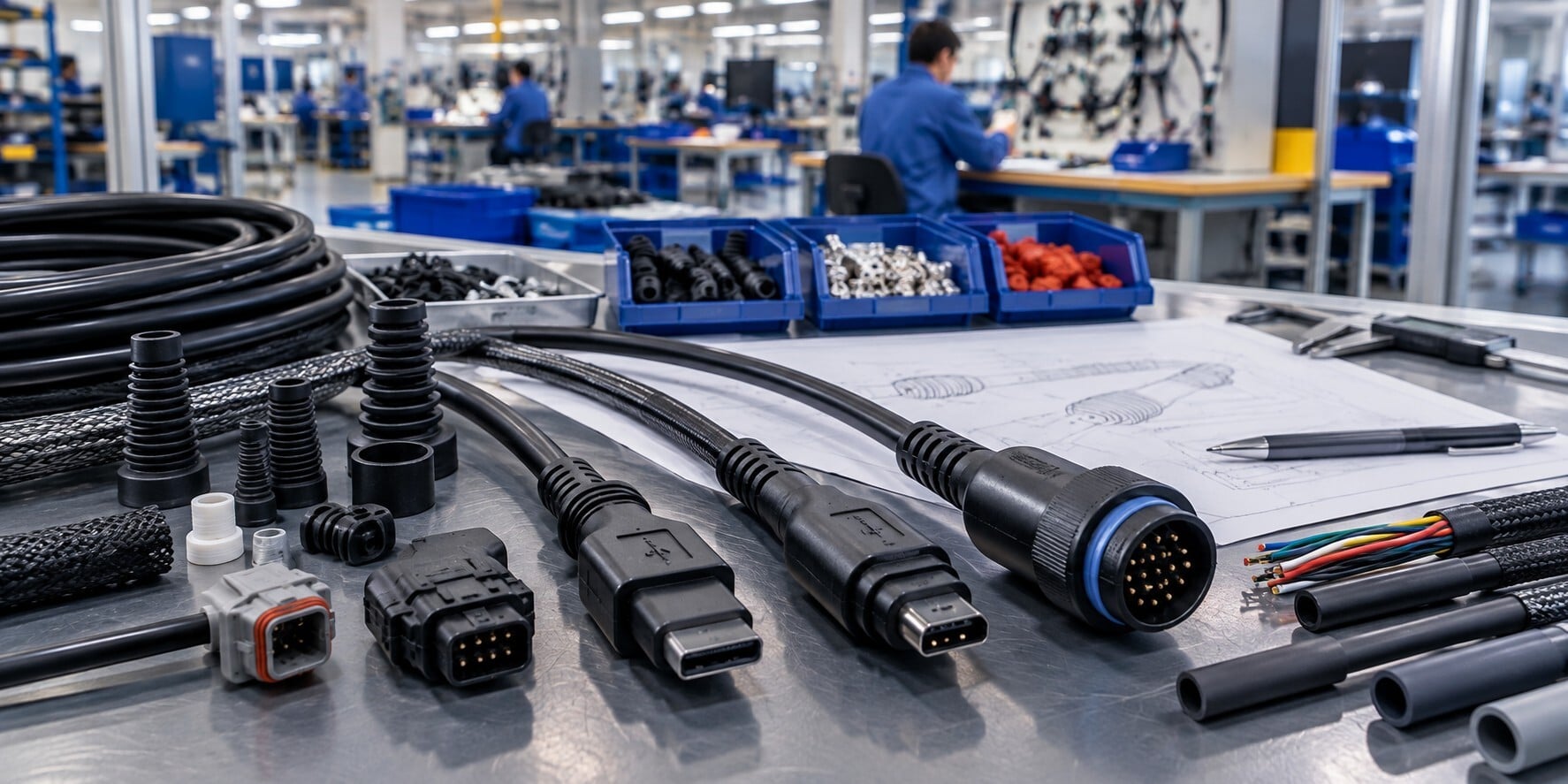
Building Cable Assemblies for Tight Spaces: Routing, Bend Radius & Strain Relief Strategies
As devices shrink and electronics become increasingly compact, OEMs face greater challenges when designing cable assemblies that fit and perform reliably within tight spaces.
This article explores how proper bend-radius management, routing strategies, and strain-relief design help OEMs build compact, durable cable assemblies engineered for long-term performance.
Jeff Bowman
Dec 4, 20252 min read


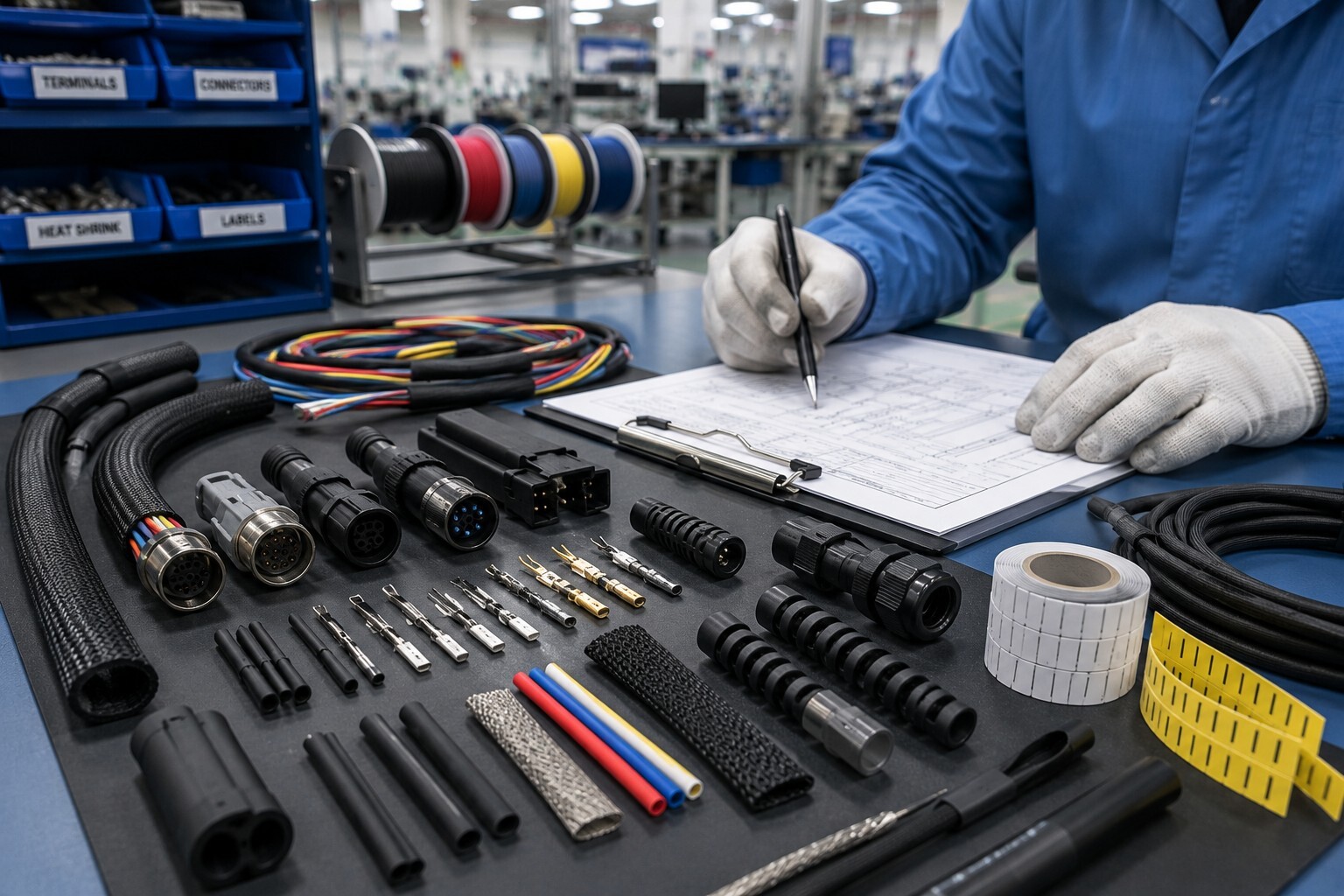
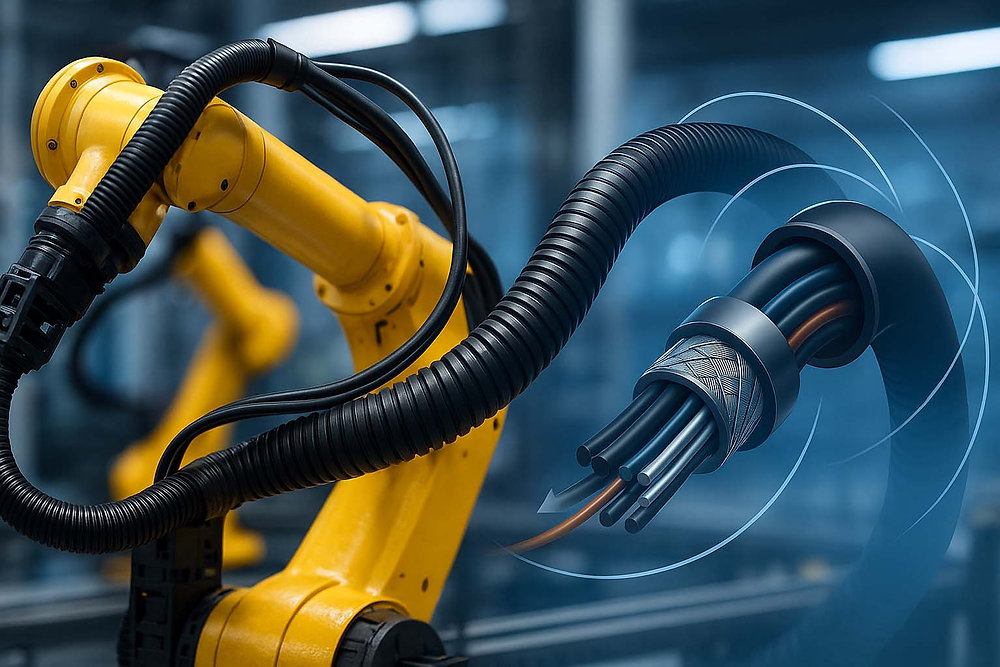
What Makes Robotic Cable Assemblies Unique? Specs, Performance & Design Considerations
As automation expands across factories and distribution centers, robotic cable assemblies have become essential to keeping motion systems running smoothly. These cables aren’t like everyday wiring—they’re engineered specifically for continuous motion, harsh environments, and long-term signal reliability.
If the cable fails, the robot fails. That’s why high-performance robotic cable assemblies must be designed with the right materials, shielding, and mechanical structure fr
Jeff Bowman
Nov 19, 20253 min read
Diversify. De-risk. Deliver.
bottom of page