A product can be fully designed, approved, and ready for production, but yet still be delayed by one unavailable component.
For OEM purchasing and supply chain teams, bill of materials risk has become an important part of production planning. Long lead times, component obsolescence, single-source parts, minimum order quantities, supplier capacity, and unexpected demand changes can all affect whether a program launches and stays on schedule.
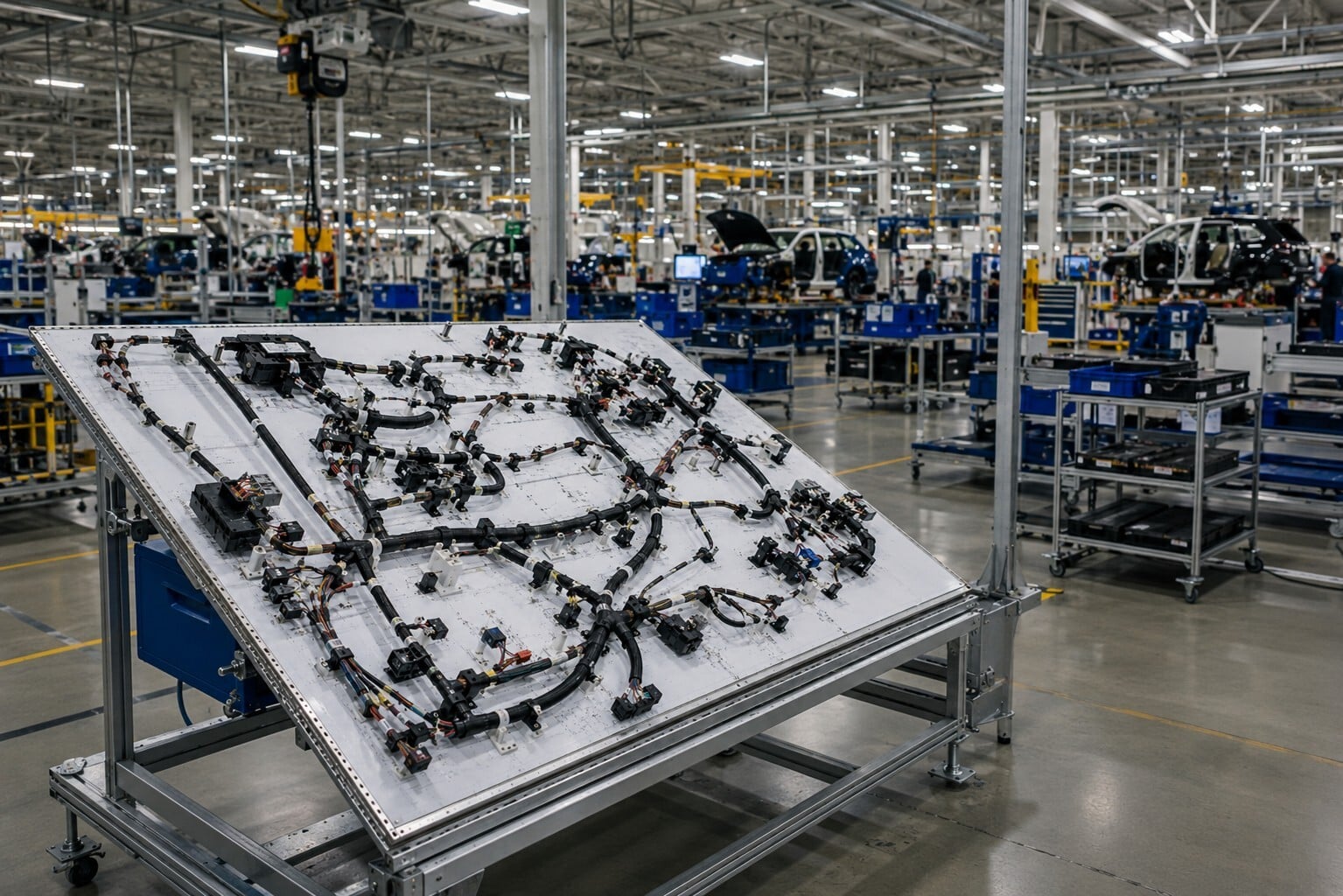
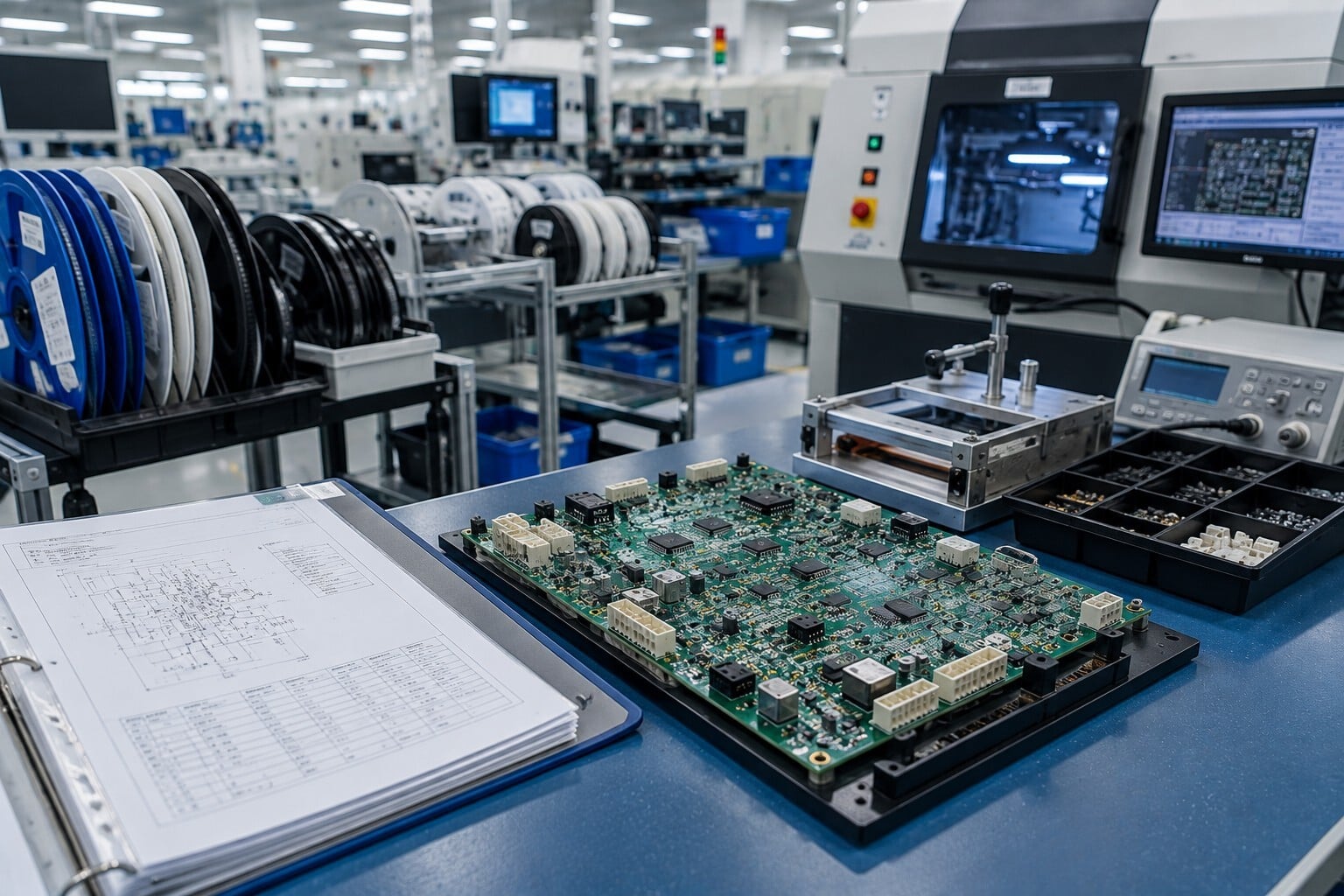
This is especially important for PCBA manufacturing, where a single electronic component can hold up an entire board build. Similar risks can also affect cable assemblies and wire harnesses when specified connectors, terminals, wire, or other components become difficult to source.
The right contract manufacturing partner can help OEMs identify these risks earlier and build more sourcing flexibility into the production program.
What You'll Learn
In this article, we’ll cover:
- What BOM risk means for OEM manufacturing programs
- Which component availability issues can disrupt production
- How contract manufacturers help identify sourcing problems earlier
- Why approved alternates and lifecycle visibility matter
- How forecasting and supplier communication improve component planning
- When OEMs should review BOM risk with a manufacturing partner
What is BOM Risk?
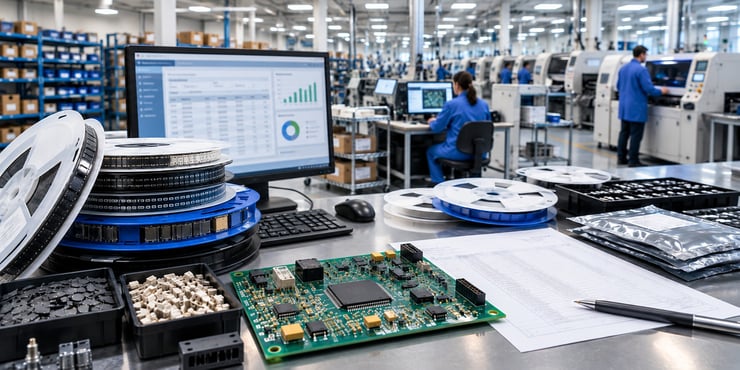
BOM risk is the potential for components or materials listed in a bill of materials to create cost, lead-time, quality, or production problems.
Common risks include:
- Long or changing component lead times
- Single-source components
- End-of-life or obsolete parts
- Limited supplier capacity
- Minimum order quantities
- Unexpected price increases
- Counterfeit or unauthorized sourcing risk
- Components without approved alternates
- Demand forecasts that do not match material availability
A BOM may be technically correct but still create sourcing problems once production begins.
NIST recommends using the bill of materials as a starting point for mapping supply-chain exposure and understanding where critical suppliers, alternative sources, and other vulnerabilities exist. Its manufacturing guidance also identifies single-source components and industry-wide shortages as risks manufacturers should actively manage. Review NIST’s manufacturing supply-chain risk guidance.
Review Component Risk Before Production
One of the best times to identify BOM risk is before the design is locked and purchase orders are released.
During an early BOM review, a contract manufacturer can look for components that may create production problems, including:
- Parts with extended lead times
- Components approaching end-of-life
- Sole-source parts
- Unusual package types or specifications
- Components with limited authorized distribution
- High minimum purchasing requirements
- Parts with volatile pricing or availability
This is closely connected to design for manufacturability. A component may meet the technical requirements of the product but still be a poor choice for scalable production if it is expensive, difficult to source, or at risk of obsolescence.
Identify Approved Alternates Early
Approved alternate components can provide valuable flexibility when the preferred part becomes unavailable.
For OEMs, however, substitution should be controlled. A contract manufacturer should not simply replace a specified component because another part is available.
Potential alternates need to be evaluated against requirements such as:
- Electrical specifications
- Mechanical fit
- Package and footprint
- Temperature ratings
- Performance requirements
- Regulatory or customer requirements
- Quality expectations
- Firmware or functional compatibility
Engineering approval should be established before the alternate is used.
For PCBAs, early alternate planning can prevent a sourcing issue from turning into an emergency redesign. Sanbor’s guide to PCBA contract manufacturing discusses why component sourcing and BOM risk management should be part of the supplier evaluation process.
Monitor Component Lifecycle and Obsolescence
Availability risk is not limited to temporary shortages. Components can also reach the end of their commercial lifecycle while an OEM product is still in production.
This is particularly important for industrial, aerospace, medical, communications, transportation, and other products expected to remain in production or service for years.
When lifecycle risk appears, OEMs may need to consider:
- Qualifying an alternate component
- Making a last-time purchase
- Revising the design
- Increasing strategic inventory
- Working with the supplier on a replacement path
The earlier these decisions are made, the more options an OEM typically has.
Use Forecasts to Improve Material Planning
Even readily available components can become a problem when suppliers do not have enough visibility into future demand.
Providing realistic forecasts helps a contract manufacturer plan purchasing, inventory, capacity, and supplier commitments more effectively.
Useful information includes:
- Annual usage
- Expected order quantities
- Production ramp timing
- Quarterly forecasts
- Seasonal demand
- Program duration
- Expected design revisions
Forecasts will never eliminate supply-chain uncertainty, but they give the manufacturing partner more time to identify potential gaps and respond.
That is also why Sanbor recommends including realistic production volumes and forecasts when preparing an RFQ for cable assemblies, wire harnesses, and PCBAs.
Improve Visibility Across the Supplier Base
Component availability is not always a Tier 1 supplier problem. A disruption deeper in the supply chain can eventually affect the OEM without much warning.
Better visibility helps manufacturers understand where critical materials originate, which suppliers are difficult to replace, and where alternative sourcing may be possible.
NIST’s manufacturing guidance emphasizes mapping supplier networks beyond the immediate supplier when possible and identifying alternative sites and sources as part of supply-chain risk management. NIST’s supply chain management resources provide additional guidance for manufacturers working to improve resilience.
For OEMs, the contract manufacturer can serve as an important link between product requirements, material suppliers, distributors, manufacturing locations, and production forecasts.
Consider the Broader Manufacturing Strategy
BOM risk should not be managed in isolation.
OEMs may also reduce sourcing complexity by consolidating related programs with a manufacturing partner that supports multiple assemblies. Sanbor has outlined how supplier consolidation across PCBA, cable assembly, and wire harness manufacturing can reduce handoffs and simplify supplier management.
Regional manufacturing flexibility can also help reduce exposure to disruptions affecting a single geography. Sanbor’s article on moving from China + 1 to a multi-region manufacturing strategy explores that issue in greater detail.
The goal is not to eliminate every sourcing risk. It is to identify the risks that matter most and create options before production is affected.
What OEMs Should Ask Their Contract Manufacturer
When evaluating BOM and component sourcing support, OEM purchasing and supply chain teams should ask:
- How do you identify long-lead or obsolete components?
- How early do you review the BOM?
- How are alternate parts evaluated and approved?
- How do you communicate component shortages or lifecycle changes?
- Can you support forecast-based purchasing?
- How do you manage approved suppliers and distributors?
- What happens when a specified component becomes unavailable?
- Can manufacturing be supported from multiple regions if needed?
These questions can help determine whether a supplier is simply purchasing parts or actively helping manage production risk.
The Right Contract Manufacturing Partner
Component availability can affect cost, lead time, product launches, and production continuity. A technically complete BOM is not necessarily a production-ready BOM.
The right contract manufacturing partner can help OEMs identify long-lead components, manage obsolescence, evaluate alternates, improve forecast visibility, and address sourcing problems before they interrupt production.
Sanbor Manufacturing supports OEMs with PCBA manufacturing, cable assembly, wire harness assembly, and broader contract manufacturing services across multiple manufacturing regions.
If your team is reviewing a BOM, preparing a new RFQ, transferring production, or dealing with component availability issues, contact Sanbor Manufacturing to discuss your sourcing and production requirements.
FAQ: BOM Risk and Component Availability
What is BOM risk in manufacturing?
BOM risk is the potential for components or materials in a bill of materials to create production problems because of availability, lead time, obsolescence, sourcing limitations, pricing, quality, or supplier capacity.
How can a contract manufacturer help manage component shortages?
A contract manufacturer can review component availability, monitor lead times, identify at-risk parts, evaluate approved alternatives, coordinate forecasts, and communicate sourcing problems before they disrupt production.
Why are single-source components a supply-chain risk?
A single-source component gives the OEM fewer options if the supplier experiences shortages, capacity constraints, discontinuation, quality problems, or other disruptions. When practical, approved alternate components or additional sourcing options can reduce that exposure.
What happens when an electronic component becomes obsolete?
When a component becomes obsolete, an OEM may need to qualify an alternate, complete a last-time purchase, revise the design, or develop another sourcing strategy. Early lifecycle monitoring provides more time to evaluate these options.
Why are approved alternate components important?
Approved alternates give OEMs more flexibility when the preferred component is unavailable. Alternates should still be reviewed for electrical, mechanical, quality, regulatory, and functional compatibility before they are used in production.
When should OEMs review BOM risk?
OEMs should review BOM risk during design and DFM, before issuing an RFQ, before production ramp-up, when transferring a program to a new supplier, and periodically throughout the product lifecycle.