Why Ruggedization Is So Important
-
Downtime costs a fortune. A single failed PCB in an industrial system can bring an entire production line to a standstill, leading to huge losses.
-
Safety is non-negotiable. In critical systems like those for energy or transportation, a malfunctioning electronic component can create dangerous conditions.
-
Longevity is the goal. Many industrial Original Equipment Manufacturers (OEMs) expect their products to last 10 to 20 years. That kind of longevity requires incredibly durable PCB assemblies.
Key Ruggedization Techniques
Building a rugged PCB involves a combination of materials, design, and protective measures.
1. Conformal Coating
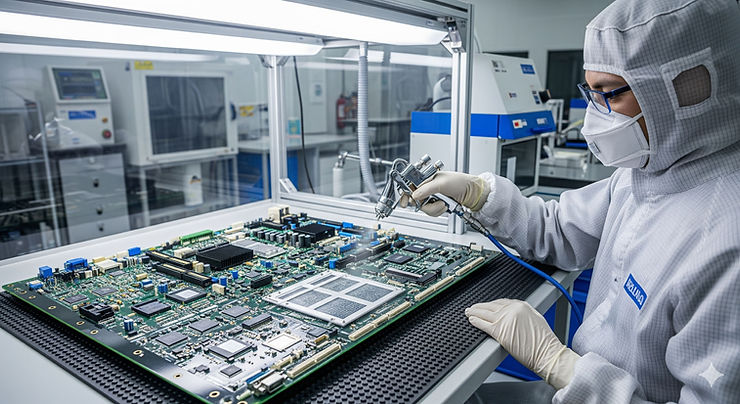
Think of conformal coating as a thin, protective skin for your PCB. This polymer layer guards against:
-
Moisture and humidity that can lead to corrosion.
-
Chemical vapors and dust common in industrial settings.
-
Electrical shorting between traces.
Different coatings offer varying levels of protection, from easy-to-rework acrylics to the ultra-thin, durable parylene coatings applied via vapor deposition.
2. Potting and Encapsulation
When a thin coating isn't enough, potting provides a heavy-duty solution. This process involves encasing the entire PCB—or specific, sensitive sections—in a thick compound made of epoxy, silicone, or urethane. This provides superior protection against:
-
Intense shock and vibration in mobile or transport systems.
-
Direct exposure to water, oils, and other chemicals.
-
Physical tampering.
3. Advanced Materials
The foundation of a durable PCB starts with the right materials. We use specialized laminates for specific applications:
-
High-Tg (glass transition) laminates can withstand extreme high temperatures without losing their structural integrity.
-
Low CTE (coefficient of thermal expansion) materials prevent stress on solder joints during rapid temperature changes.
-
High CTI (comparative tracking index) substrates are essential for protecting high-voltage systems from electrical tracking.
4. Thermal Management
High-power components generate heat, and too much heat can degrade a PCB over time. Effective thermal management prevents this by:
-
Using thermal vias and large copper pours to spread heat across the board.
-
Designing metal-core PCBs (MCPCBs), which have an aluminum or copper base layer to efficiently draw heat away from components.
-
Attaching heat sinks and heat spreaders directly to components that run hot.
5. Reinforced Interconnects
Connectors and components are often the first to fail under stress. Reinforcing them with techniques like underfill on BGAs, or extra solder anchoring on through-hole components, ensures they stay put even when exposed to constant vibration.
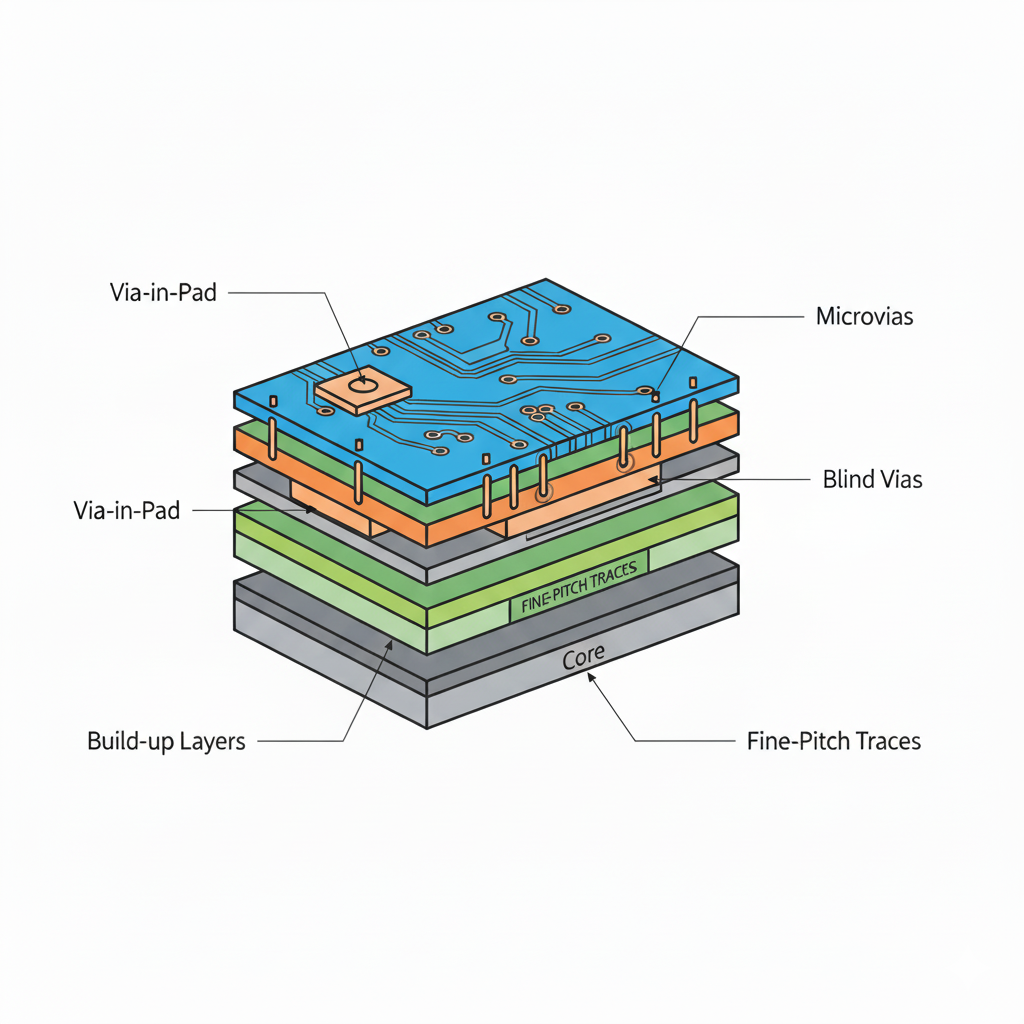
Read: High-Density Interconnect (HDI) PCBs for Industrial Applications: A Practical Engineer’s Guide
Putting It All to the Test
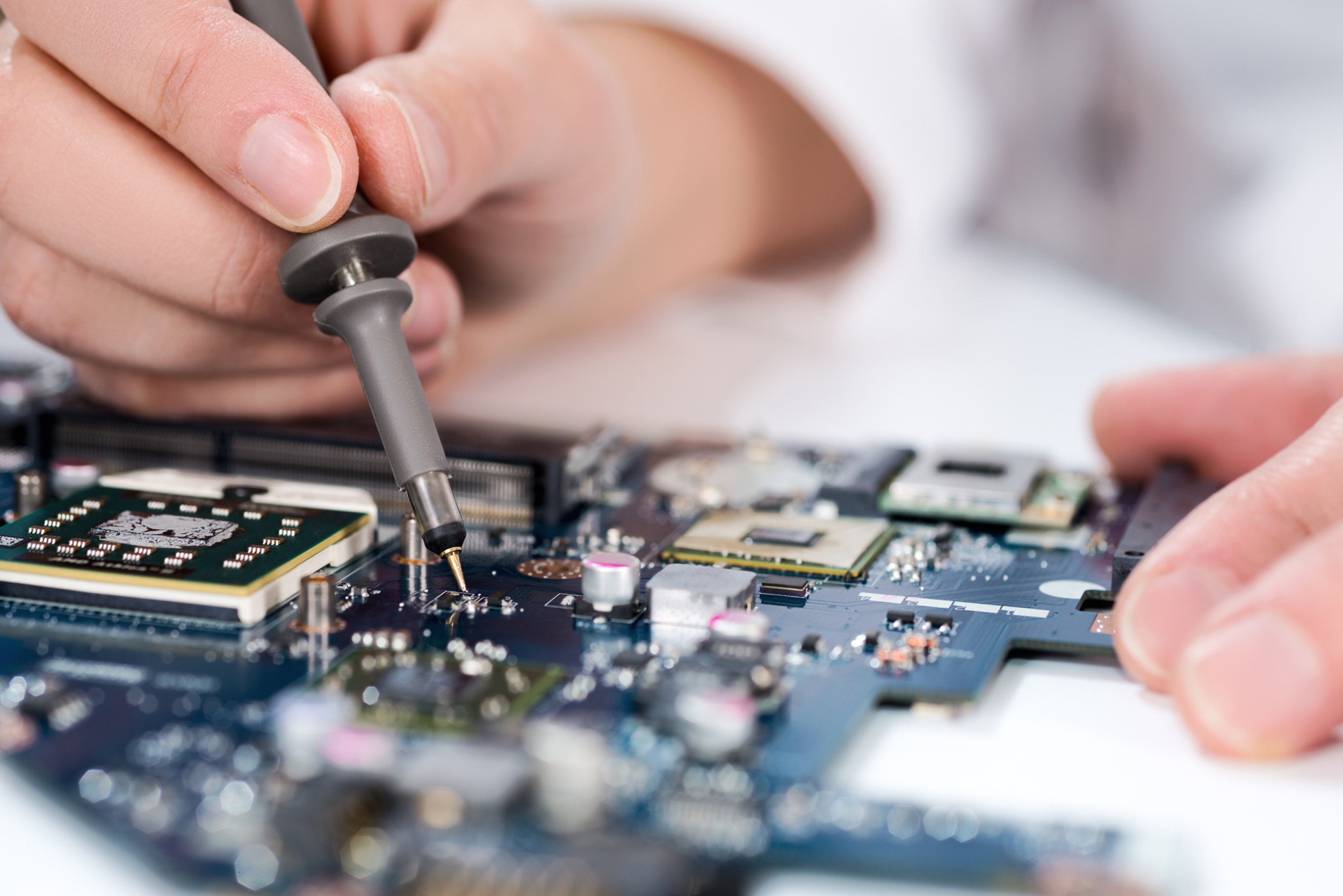
It's one thing to build a ruggedized PCB—it's another to prove it. We use rigorous testing methods that simulate real-world conditions to ensure reliability, including:
-
Thermal cycling & thermal shock: These tests check for stress caused by repeated expansion and contraction.
-
Vibration & shock tests: We simulate the jarring and shaking a PCB might experience in a moving vehicle or heavy machinery.
-
HALT/HASS (Highly Accelerated Life/Stress Screening): We push a design to its breaking point to uncover and fix any hidden weaknesses before a product reaches the field.
Sanbor's Approach to Ruggedization Techniques for Industrial PCBs
At Sanbor Manufacturing, we specialize in building industrial PCB assemblies that meet the high reliability demands of harsh environments. Our global facilities in Indonesia, Malaysia, and Poland give us the scale and expertise to deliver cost-effective, durable solutions. We work with our OEM partners to integrate ruggedization techniques for industrial PCBs like conformal coating, potting, and comprehensive thermal management right into the design and production process.
Our goal is simple: to build electronics you can trust, no matter how extreme the conditions.
Ready to build durable electronics that can stand up to anything? Contact Sanbor Manufacturing to learn more about our ruggedization and PCB assembly services.
For more information, contact us at 610-530-8500 or email sales@sanbormfg.com.