Latest Developments in Tariff Policy
-
On August 11, 2025, President Trump signed an executive order to extend the tariff truce with China for another 90 days—keeping tariffs on Chinese imports capped at 30% and Chinese duties on U.S. goods at 10%, avoiding steep increases that could have soared to 145% and 125%, respectively.
-
Meanwhile, similar uncertainty is rippling across the U.S.–Mexico trade corridor. Imports from Mexico were spared a jump to 30% tariffs by extending a temporary moratorium—keeping rates at 25% rather than letting them climb, particularly for USMCA-compliant goods.
-
These recurring 90-day extensions highlight the unpredictable rhythm of trade legislation—challenging businesses to plan beyond short-term cycles.
In today’s ever-changing trade landscape, OEMs and manufacturers are facing a constant cycle of uncertainty. With another round of 90-day tariff extension on China and similar short-term extensions involving Mexico in the last couple of days, businesses are being asked to recalibrate their plans every few months. This short-term horizon makes it nearly impossible to create stable, long-term business strategies.
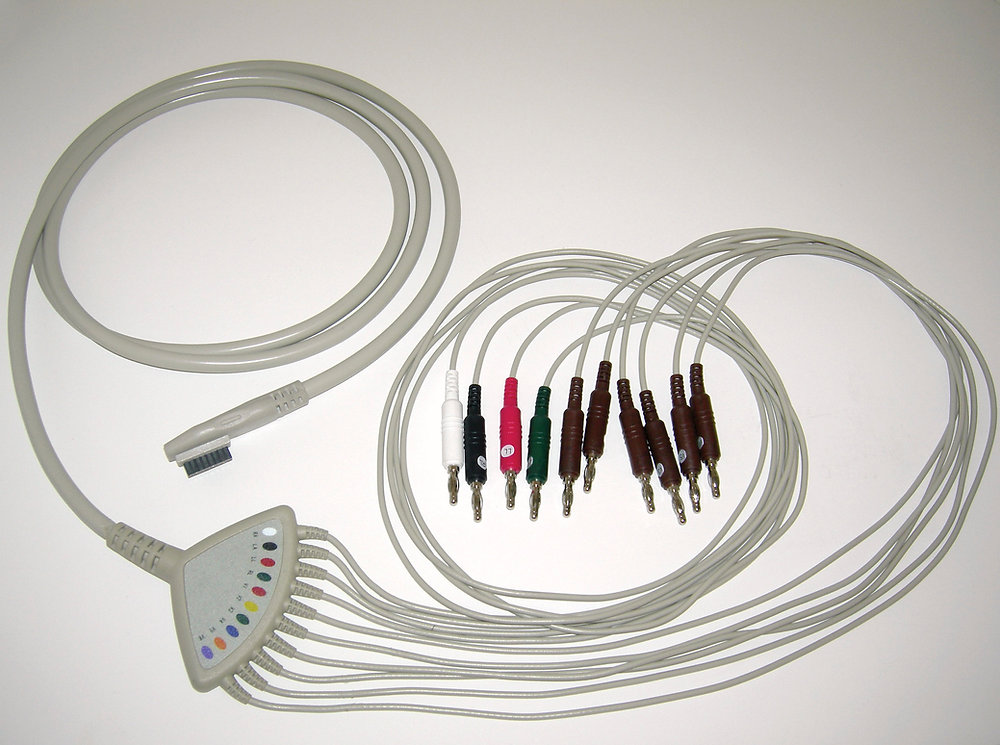
So, what’s the solution? Rather than being at the mercy of every 90-day policy shift, the best approach for OEMs is to partner with suppliers who offer a truly global manufacturing footprint. By doing so, companies can shift production to low-cost manufacturing countries like Indonesia and Malaysia—regions that are especially well-suited for labor-intensive processes such as cable assemblies and wire harness assemblies.
This strategic diversification means you’re not constantly rewriting your business plan every time a tariff policy changes. Instead, you can maintain stability and cost-efficiency by leveraging a network of manufacturing hubs.
Advantages of a Global Manufacturing Footprint
|
Challenge |
Strategic Advantage of Global Footprint |
|
Unpredictable 90-day tariff shifts
|
Ability to reallocate production rapidly
|
|
Reliance on a single region (e.g., China) |
Reduced risk by diversifying into Southeast Asia and Europe
|
|
Need for long-term cost predictability
|
Localized, lower-cost options with flexible capacity
|
At Sanbor Manufacturing, which is based in Pennsylvania with 11 factories across the U.S., Asia, and Europe, we understand how critical stability is for your operations. That’s why we’re committed to providing the global footprint OEMs need to stay nimble, no matter what the tariff landscape looks like. By working with partners who have well-established manufacturing bases in Indonesia, Malaysia, and other Southeast Asian countries, you can keep your supply chain resilient, agile, and cost-predictable, even as trade policy continues to shift.
In the end, having a global manufacturing footprint isn’t just a nice-to-have. It’s becoming essential for navigating the geopolitical and economic volatility of today’s world. And that’s precisely what Sanbor Manufacturing is here to help you achieve. Contact us today
Call 610-530-8500 or email sales@sanbormfg.com.
References:
-
Trump extends trade truce with China. What it means for tariffs. - MarketWatch
-
China tariffs delayed again for 90 days - The Washington Post
-
US, Mexico agree to extend USMCA-tariff pause | Supply Chain Dive
-
Trump’s tariffs are the ‘new normal’ in global supply chains, expert says - FreightWaves
-
US Tariffs and Policy changes: What they mean for global supply chains | Explorate