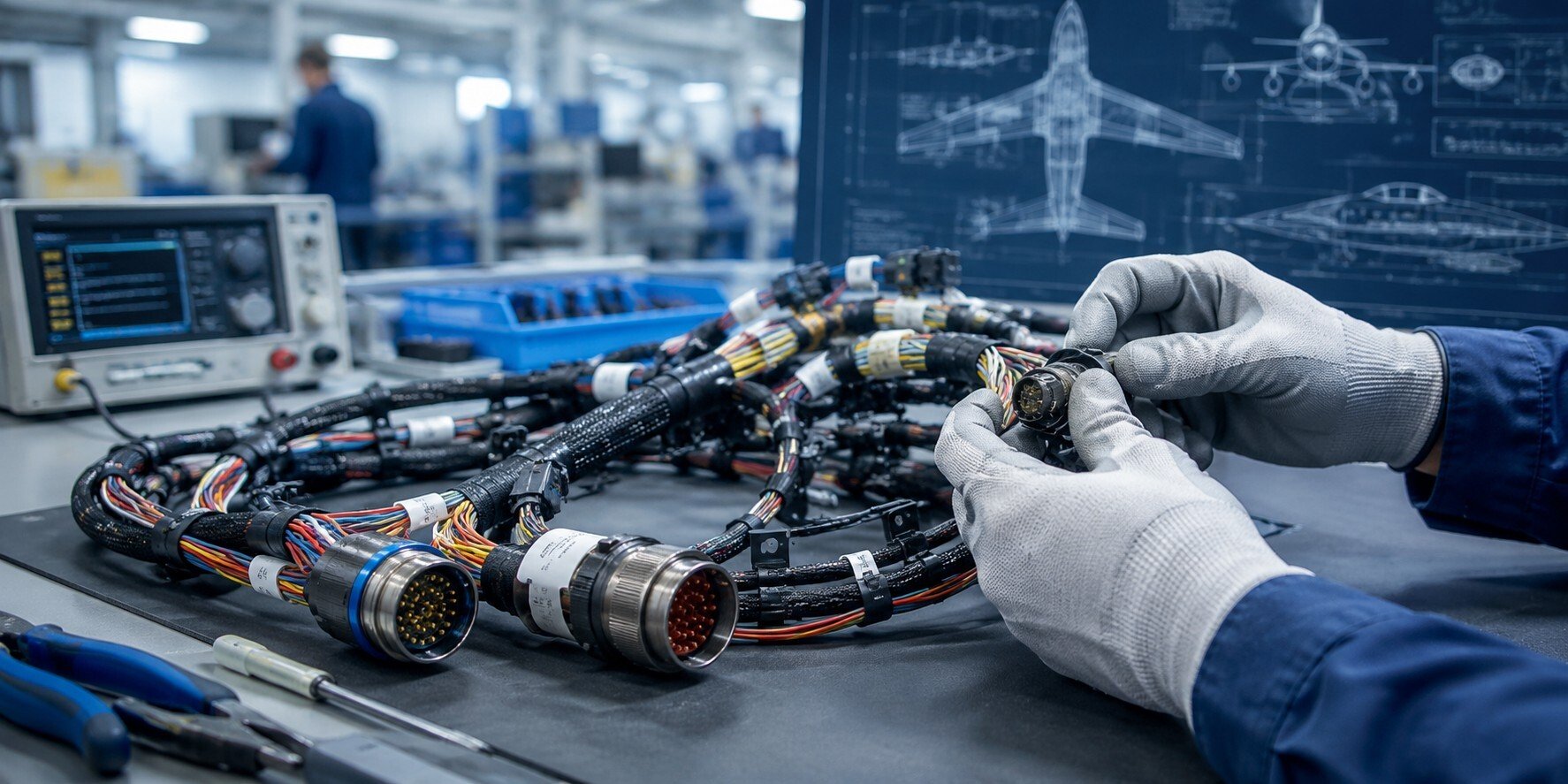
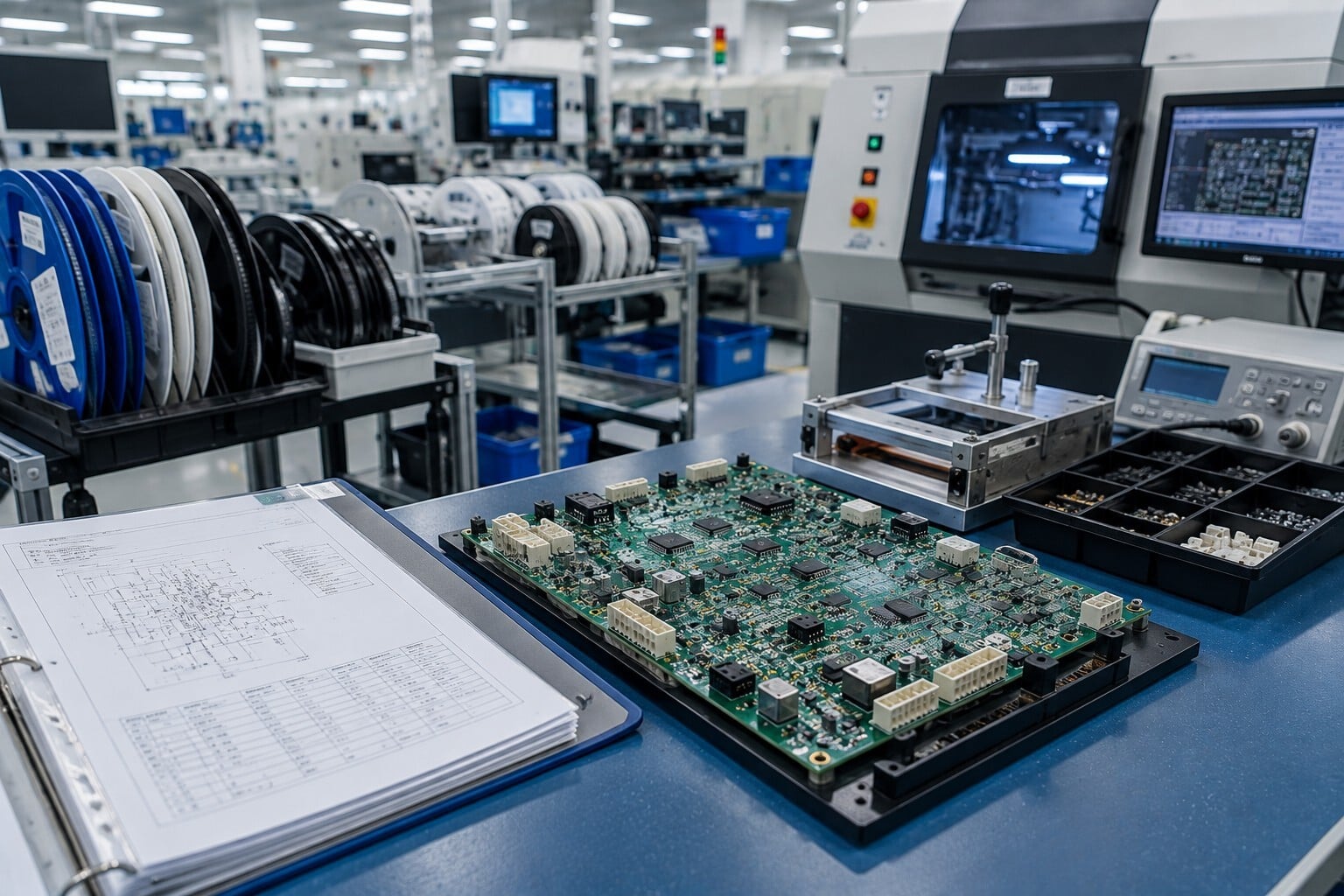
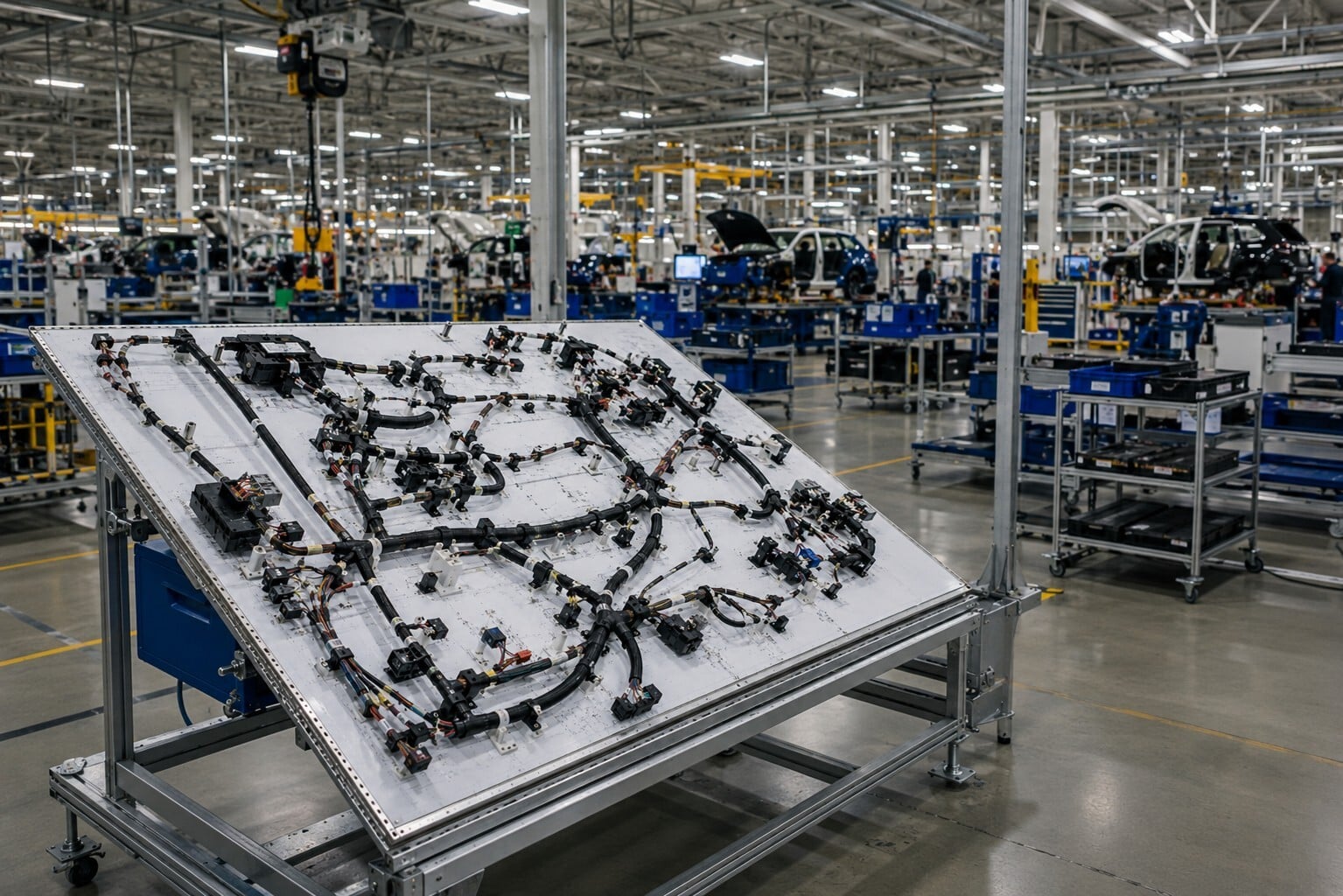
IPC/WHMA-A-620 is the globally recognized standard for cable assembly and wire harness workmanship. Most OEMs require their contract manufacturers to be certified. However, far fewer take the time to understand what the standard governs or how it should be applied in day-to-day production.
This gap matters significantly. Certification alone does not guarantee consistent quality, reliability, or long-term performance. To truly de-risk their supply chain, OEMs need to understand the key workmanship requirements defined by IPC/WHMA-A-620 and know what to verify when qualifying a cable and wire harness manufacturer.
This guide breaks down the most important IPC practices and the quality indicators OEM teams should evaluate.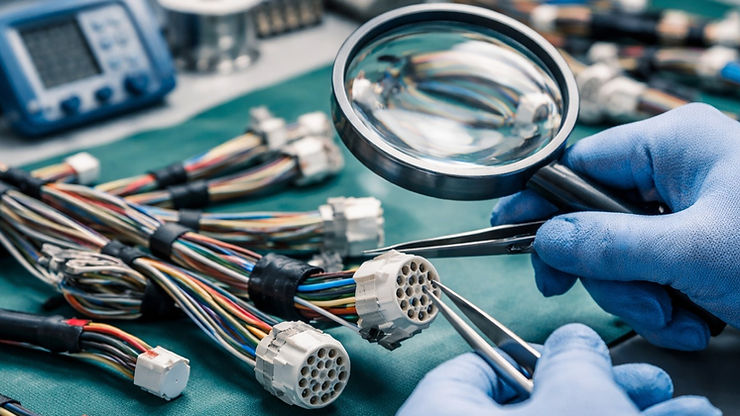
What Is IPC/WHMA-A-620 for Cable Assemblies?
IPC/WHMA-A-620 defines the manufacturing, inspection, and testing requirements for cable assemblies and wire harnesses. It establishes uniform criteria for acceptability, ensuring assemblies meet defined electrical, mechanical, and visual standards.
The specification is organized into three workmanship classes:
-
Class 1 – General consumer electronics
-
Class 2 – Commercial and industrial products
-
Class 3 – Aerospace, medical, defense, and other mission-critical systems
Most industrial, aerospace, and medical OEMs require Class 3 workmanship, which carries the tightest tolerances and highest reliability expectations.
Key Workmanship Elements OEMs Should Evaluate
1. Soldering Quality
Poor solder joints are among the most common causes of premature field failures. IPC/WHMA-A-620 provides detailed criteria for acceptable soldering that go far beyond a visual “pass/fail.”
OEMs should ensure their contract manufacturer consistently verifies:
-
Proper solder wetting
-
Absence of cold solder joints
-
No solder balls or bridging
-
Minimal solder wicking into conductors
Consistent solder quality directly impacts electrical performance, vibration resistance, and product longevity.
2. Crimp Integrity
Crimped connections are only reliable when executed precisely. IPC standards define what constitutes an acceptable crimp and how it must be validated.
Key indicators OEMs should look for include:
-
Correct crimp height and compression
-
Visible conductor brush
-
No insulation captured in the wire barrel
-
Proper engagement of insulation and conductor wings
-
Pull-force testing that meets IPC requirements
Even minor deviations can lead to intermittent failures or open circuits in the field.
3. Cable Preparation and Shield Termination
Cable preparation errors often go unnoticed until systems fail under stress. IPC/WHMA-A-620 sets strict requirements for how cables are stripped, prepared, and terminated.
OEMs should confirm their CM adheres to:
-
Defined strip-length tolerances
-
Proper techniques to avoid jacket scoring or conductor damage
-
Correct shield folding and grounding methods
-
Controlled drain wire exposure limit
These practices are especially critical for EMI-sensitive, high-speed, or medical applications.
4. Labeling and Traceability
Clear labeling and traceability are essential for quality control, serviceability, and regulatory compliance.
A compliant cable and harness manufacturer should provide:
-
Consistent, durable heat-shrink labels
-
Serialization where required
-
Barcode or QR-code tracking
-
Documented inspector sign-offs tied to each build
Without robust traceability, identifying root causes during audits or field issues becomes significantly more difficult.
Testing Methods Required by IPC Standards
IPC/WHMA-A-620 does not stop at workmanship. It also mandates specific testing and inspection protocols.
OEMs should verify that their contract manufacturer performs and documents:
-
Continuity testing across all applicable assemblies
-
HiPot testing to confirm insulation integrity
-
Pull-force testing to validate crimp strength
-
Functional testing where applicable
-
Visual inspections under magnification
Equally important is how results are recorded. Test documentation should be standardized, controlled, and easily retrievable.
How Sanbor Manufacturing Applies IPC Standards Globally
Sanbor Manufacturing applies IPC/WHMA-A-620 consistently across its global manufacturing footprint by maintaining:
-
IPC/WHMA-A-620 trained and certified specialists
-
Standardized global work instructions
-
Unified inspection criteria across all facilities
-
Digital quality records with full traceability
-
Shared training programs across Asia, Europe, and the United States
This global alignment ensures OEMs receive the same workmanship quality regardless of manufacturing location, eliminating variability between regions.
The Importance of Continuous Improvement
Continuous improvement is vital in the manufacturing process. By regularly assessing and refining practices, OEMs can enhance their supply chain resilience. This proactive approach helps in adapting to market changes and technological advancements.
Investing in Training and Development
Investing in training for staff is crucial. Regular workshops and certifications ensure that everyone is up-to-date with the latest IPC standards. This commitment to education fosters a culture of quality and excellence.
Embracing Technology
Technology plays a significant role in modern manufacturing. Utilizing advanced tools and software can streamline processes and improve accuracy. Automated inspections and real-time monitoring can significantly reduce errors and enhance overall quality.
Final Takeaway
IPC/WHMA-A-620 is more than a certification. It is a blueprint for reliability. OEMs that evaluate cable and wire harness workmanship through the lens of IPC are better equipped to qualify contract manufacturers, reduce risk, and ensure long-term product performance.
Sanbor Manufacturing adheres to Class 2 and Class 3 IPC standards across its worldwide factory network, helping OEMs achieve consistent, high-quality cable and wire harness production at scale.
Ready to get started? Call us at 610.530.8500, email sales@sanbormfg.com or connect through our quick online contact form.